11-Month Warranty Inspection: Why New Homeowners Schedule One
In this article
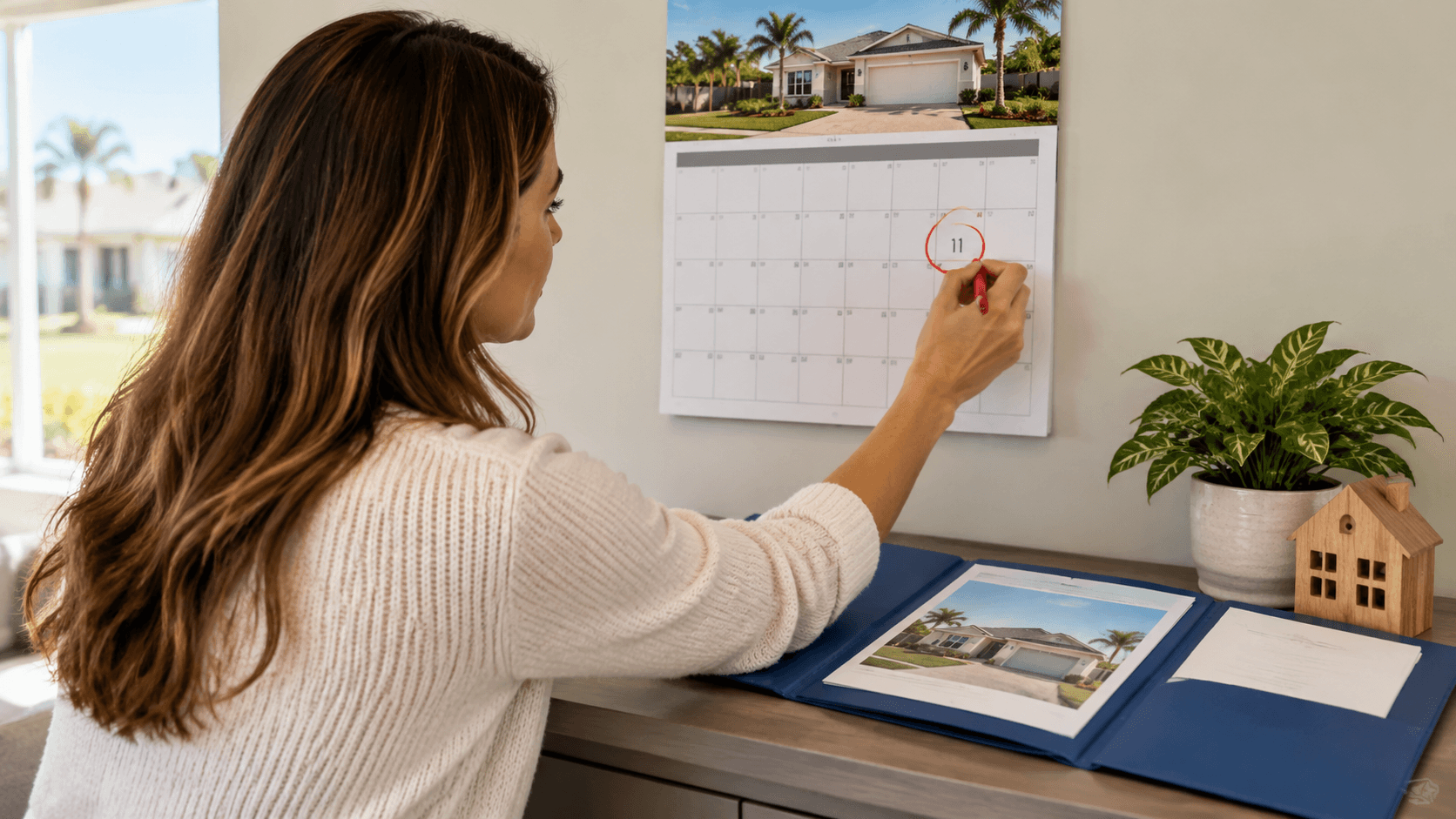
An 11-month warranty inspection is a home inspection scheduled near the end of a new home's first year. Homeowners use it to record issues before a builder's stated one-year notice period may end.
The number 11 is a planning cue, not a law. Your warranty may use a different term, start date, claim method, or deadline. Read the written warranty first. Then schedule early enough to receive the report and send notice in the required way.

Why wait until month 11?
Living in the home gives its systems time to run through daily use. You open doors, use showers, run the air conditioner, cook, wash clothes, and see how water moves during rain. Small issues that were not visible before closing may become easier to describe.
At the same time, waiting too long can create a deadline problem. An inspector needs an open appointment. You need time to read the report. The builder may need a portal entry or form before a date stated in the warranty.
Many owners choose month 10 or early month 11. That creates a buffer. The correct day comes from your files, not from a general article.
An InterNACHI 11th-month inspection brochure describes a report with photos and material defects seen on the check date. Your inspector's own agreement controls the service you buy.
Start with the written warranty
Find the warranty booklet, purchase agreement, closing package, builder portal instructions, and prior service requests. Do not rely on a sales conversation from a year ago.
Write down:
the warranty start date.
the end date for each coverage part.
the items the warranty says it covers.
exclusions and owner maintenance duties.
the required notice method.
the address, portal, email, or form for claims.
any time allowed for the builder to inspect or repair. and
any dispute steps.
Some warranties divide coverage into workmanship, systems, and structural terms. Others use different names and limits. A broad industry phrase does not change your contract.
The new construction home inspection guide explains the check process before closing. A warranty inspection is later and serves a different decision.
What the check can do
The inspector can review in reach systems and record issues on that day. Florida's standards of practice cover areas such as the structure, electrical system, HVAC, roof covering, plumbing, interior, exterior, and site conditions that affect the structure. See Florida Administrative Code Chapter 61-30.
The report may help you:
see conditions you missed during daily life.
connect a symptom to a system or spot.
create clear photos and notes.
decide when a specialist should review an item.
group several concerns into one organized notice. and
keep a record of the home's condition near the deadline.
The inspector does not approve your claim. The builder or warranty administrator applies the written warranty. The report also does not extend a deadline.
What the inspector may review
The visit may look much like a standard home inspection, with added attention to changes since move-in. The inspector may review in reach parts of:
grading, drainage, walks, drives, and exterior walls.
roof covering, visible flashing, gutters, and penetrations.
doors, windows, sealants, and trim.
attic areas, insulation, and ventilation when in reach.
electrical panels, outlets, switches, and safety devices.
plumbing fixtures, drains, supply lines, and water heating.
heating, cooling, thermostat, and visible ductwork.
ceilings, walls, floors, stairs, rails, and cabinets.
garage doors and installed appliances. and
signs of moisture, movement, damage, or incomplete work.
Not every service includes pools, irrigation, sewer cameras, mold sampling, termite inspections, or engineering. Ask before booking.
Use the home inspection checklist to collect questions, but do not treat it as a substitute for the inspector's scope.

Conditions owners often notice after move-in
You may notice a door that rubs, a window that is hard to lock, a cabinet that shifts, a slow drain, a loose outlet cover, a room that stays warmer, or water that sits near the foundation after rain.
These signs do not prove a covered construction defect. Some are adjustment items. Some may relate to owner use or maintenance. Some need a licensed trade. Some may be urgent.
The guide to common new construction defects explains how to sort visible concerns by system without making legal or warranty conclusions.
If there is active water entry, a burning smell, sparking, a gas odor, loss of cooling in dangerous heat, structural movement, or one more risk, do not wait for month 11. Contact the proper emergency service, utility, builder, insurer, or licensed expert right away.
Make a homeowner list before the visit
Walk through the home and write down what you have seen. Include the room, date, weather if relevant, and what happened. Take wide and close photos. Keep the original files.
Examples of useful notes are:
"Water collects at the right rear corner after heavy rain."
"The upstairs bedroom stays warmer than nearby rooms when doors are open."
"The hall bath sink drains slowly after normal use."
"The garage entry door does not latch unless pushed hard."
Avoid conclusions you cannot support. "Crack above the window grew from two inches to five inches between June and September" is more useful than "the house is failing."
Give the list to the inspector. It helps the expert know what you have observed. It should not limit the rest of the check.
Choose the date with a buffer
Work backward from the earliest possible notice deadline. Allow time for scheduling, the check, report delivery, questions, and claim submission.
Do not schedule on the final day of coverage. A storm, illness, access issue, or report delay could leave no room. A warranty may require the builder to receive notice, not just the owner to start writing it.
The new construction inspection timing guide covers the earlier build phases. Add the warranty date to the same home calendar after closing.
How to choose the expert
Ask whether the expert performs warranty inspections and what that means in the agreement. Request a sample report. Ask how soon the report is delivered and whether photos are included.
Florida buyers can verify a home-expert license through the DBPR license page. Also ask about insurance, experience with new homes, and optional services.
Compare scope as well as price. The new construction inspection cost guide explains why home size, spot, add-ons, and return visits affect a quote. Get the actual fee in writing.
Turn the report into a clear notice
Read the report before sending it. Ask the expert to explain items you do not know. Separate urgent safety or active damage concerns from normal service requests.
Follow the warranty instructions exactly. If the builder requires a portal, use it. If a form must be signed, complete it. If one issue needs one entry, do not send only a large report and assume the builder will divide it.
For each item, include:
the spot.
the condition observed.
when you first noticed it.
a clear photo when useful.
the check report page. and
the requested review or next step.
Keep a copy of the full submission and proof of the date. Save confirmation numbers and emails.
What happens after submission
The builder may schedule a visit, send a trade, ask for more facts, approve work, or state that an item is excluded. Keep the response in writing.
Ask who will enter the home, what work is planned, and how the area will be protected. After the visit, record what was done. A closed portal ticket may show an administrative status, not the quality of the repair.
For an key repair, ask the expert or the proper specialist whether a return visit makes sense. The final inspection before closing guide explains the same idea at the purchase stage.

Warranty, maintenance, and insurance are different
A builder warranty covers only what its written terms include. Home maintenance is the owner's ongoing duty. Homeowners insurance is a separate contract for covered losses. A home warranty sold by a third party may be one more product.
Do not send every house issue to one place. A clogged air filter may be maintenance. Storm damage may involve insurance. A faulty installation may be a builder question. The facts and files decide the route.
If you are unsure about legal rights, deadlines, or a denied claim, speak with a Florida attorney. A home expert can explain observed conditions but should not give legal advice.
Keep the report after the first year
The report can help with maintenance and future service. Save it with invoices, manuals, photos, warranty files, and closing papers.
Create a simple annual home review. Replace filters, test safety devices, clean drains and gutters when applicable, look for sealant wear, and watch how water drains. Follow manufacturer and builder maintenance instructions.
An 11-month inspection is most useful when it is part of a record, not a last-minute search for free repairs.
Common Questions
Is an 11-month warranty inspection required?
Usually it is an owner choice, not a general legal requirement. Your warranty or builder process may set notice duties, so read the files that apply to your home.
Why not schedule it exactly at 12 months?
The check and report take time. A buffer lets you ask questions and submit notice before the actual deadline stated in the warranty.
Does the check extend my builder warranty?
No. A check does not change the warranty term. Only the written warranty, a valid amendment, or applicable law can control the deadline.
Will the expert decide what the builder must fix?
No. The expert files issues. The builder or administrator applies the warranty, and legal disputes may require an attorney.
Should I include cosmetic items?
Record what you observe, but review the warranty because finish and cosmetic coverage may have separate limits or shorter notice periods.
What if I find a risk before month 11?
Act at once. Contact the proper emergency service, utility, builder, insurer, or licensed expert. Do not wait for a planned warranty check.
Plan before your warranty deadline
National House Search helps Florida new-home buyers keep check and warranty steps organized after closing. Call 561-704-0091 or schedule a buyer consultation to build a clear 11-month check plan around your own warranty files.