New Construction Home Inspection: What Buyers Need to Know Before Closing
In this article
A new home can still have things that need to be fixed. That does not mean the builder is bad. It means a house is built by people, and people can miss things.
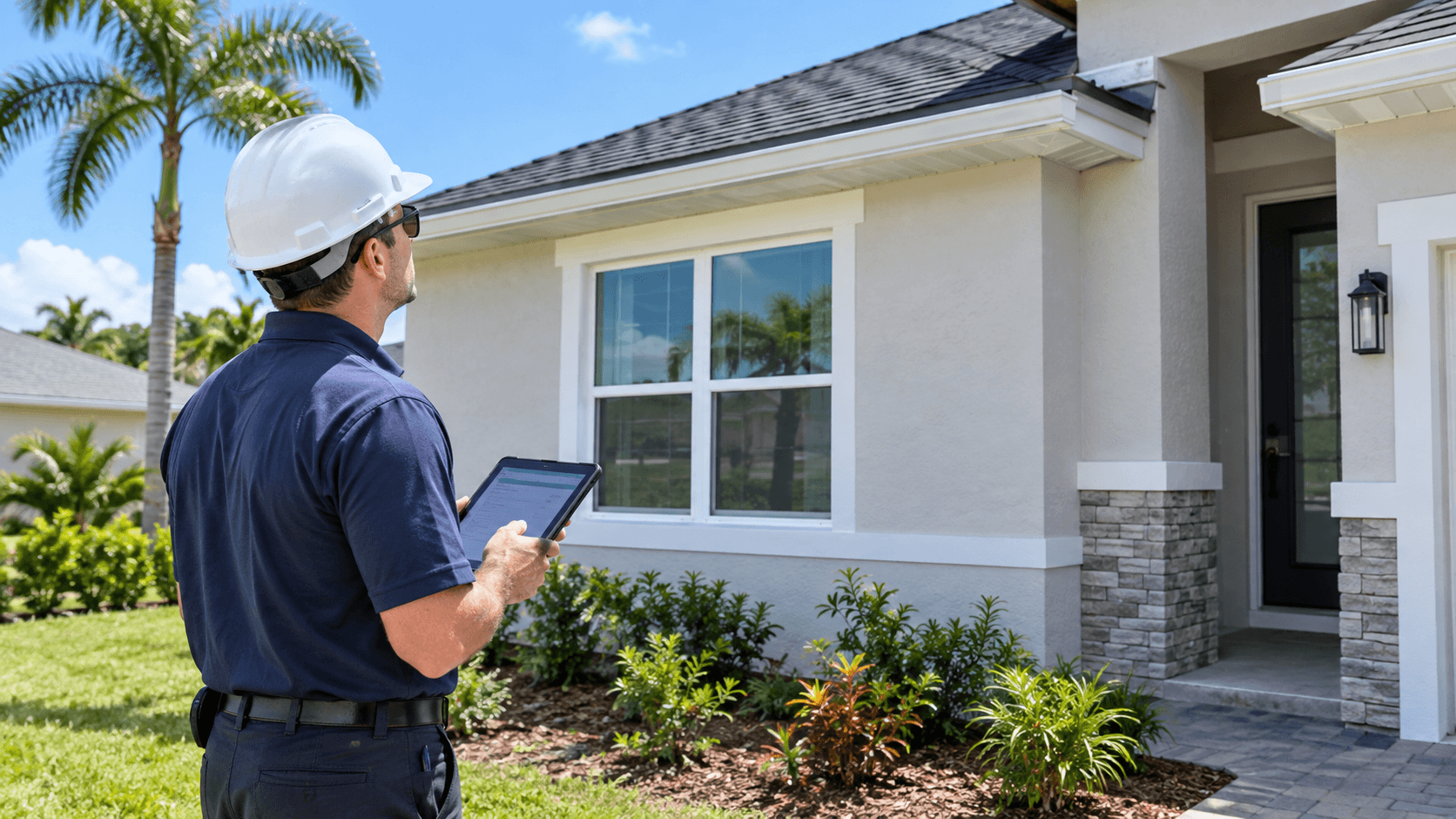
A new construction home inspection gives you another set of trained eyes. The inspector works for you. The goal is to find visible problems, explain them in plain words, and give you a written report before you take ownership.
This guide shows when to inspect, what gets checked, what the report means, and what to do before closing.
What is a new construction home inspection?
A new construction home inspection is a careful review of a newly built home. A licensed inspector looks at the parts of the house that can be seen and reached safely. This often includes the roof, outside walls, structure, plumbing, electrical system, heating and cooling system, doors, windows, attic, insulation, and built-in appliances.
The inspection is usually visual. The inspector does not tear open a wall. The inspector does not promise that nothing will ever break. The report tells you what the inspector saw on that day.
In Florida, home inspectors follow state standards of practice. Those rules list the home systems that are normally reviewed. The rules also explain limits. For example, an inspector may tell you to call a roofer, engineer, electrician, plumber, or other licensed expert when a problem needs a deeper look.
A city inspection is not the same thing.
A new house also goes through building inspections for permits. Those checks are important. They help the city or county confirm that work follows the approved plans and building code.
A private home inspection has a different job. It is done for the buyer. The inspector looks at the home as a working system and writes a report for you.
You may also have an appraisal. An appraisal is about value for the lender. It is not a home inspection. A builder walk-through is different too. That meeting often focuses on finish items, how the home works, and items the builder plans to correct. Each step helps, but one does not replace the others.

When should a new home be inspected?
You may have one inspection or several inspections. Your choice depends on the home, your contract, the builder's access rules, and how early you entered the buying process.
Before the concrete is poured
Some buyers order a pre-pour inspection. This happens before the slab or foundation is covered. The inspector may review visible site work, forms, reinforcement, early plumbing lines, and other items that will soon be hidden.
This stage is easy to miss because the builder may give short notice. Ask about it when you sign the contract.
Before drywall covers the walls
A pre-drywall inspection happens after framing and many rough plumbing, electrical, and air-conditioning parts are in place. The walls are still open. This gives the inspector a clear view of framing, connectors, pipes, wires, ducts, and openings.
Timing matters. The visit must happen before the builder installs drywall. Read our pre-drywall inspection guide for the full checklist and scheduling steps.
Near the end of construction
The final inspection is the most common one. The home should be almost complete. Power and water should be on. Appliances and major systems should be ready to test.
Try to schedule the inspection before the builder's final walk-through and before closing. This gives everyone time to read the report and talk about repairs.
Before the first-year warranty ends
Some owners order another inspection around month 10 or 11. The home has now been through rain, heat, cooling cycles, and daily use. Small issues may be easier to see.
Check the exact warranty date. Give the builder written notice before the deadline in the warranty documents.
What does the inspector check?
The exact list can change by state, company, home, and inspection package. Ask for a sample report before you hire anyone. A standard new home inspection often covers the following areas.
Roof and outside of the home
The inspector may look at roof coverings, flashing, gutters, wall finishes, doors, windows, trim, decks, porches, driveways, walkways, and the way the ground slopes around the home. Water should move away from the house.
The inspector may use binoculars, a ladder, a camera pole, or a drone when allowed. Weather and safe access can limit the roof review.
Structure and attic
Visible framing, foundations, slabs, floors, walls, ceilings, and roof structure may be reviewed. In the attic, the inspector may look at framing, insulation, ventilation, and signs of water entry.
Plumbing
The inspector may run faucets, flush toilets, look under sinks, test drains, check the water heater, and look for visible leaks. Water pressure and hot water may also be checked when the home is ready.
Electrical system
The inspector may review the service panel, test a sample of outlets and switches, check visible wiring, and test safety devices when they are present. The inspector should not do unsafe or destructive work.
Heating, cooling, and ventilation
The inspector may operate the air-conditioning and heating systems when outside conditions allow. The inspector may review the thermostat, air handler, outdoor unit, vents, filters, drain lines, and visible ducts.
Rooms and installed items
Doors, windows, stairs, railings, cabinets, countertops, floors, walls, ceilings, garage doors, and built-in appliances may be tested or reviewed. A new home can look clean and still have doors that rub, drains that leak, or outlets that do not work.

Common issues found in new homes
Most reports have a mix of small and important items. Common findings can include:
Loose or missing roof materials
Gaps in sealant or flashing
Poor drainage near the home
Doors or windows that do not close well
Missing insulation in a small area
Loose outlets or missing cover plates
Plumbing leaks under a sink
A toilet that rocks
An air-conditioning drain issue
A vent that ends in the attic instead of outside
Cracked tile, damaged trim, or paint that needs repair
Appliances or safety devices that do not work as expected
The report is not a score. A long report does not always mean the home is unsafe. Many inspectors include photos and notes for small items. Focus first on safety, water, structure, roof, electrical, plumbing, and heating or cooling concerns.
How much does the inspection cost?
Price depends on the home's size, location, features, and the number of visits. A final inspection often costs a few hundred dollars. A larger home or a multi-phase package can cost more.
Ask what is included. Some companies charge extra for a pool, sewer camera, wind mitigation form, mold sampling, infrared scan, or reinspection. Do not choose only by the lowest price. Compare the inspector's license, experience, report quality, time on site, and services.
Our new construction home inspection cost guide breaks down the budget in simple steps.
How to choose a home inspector
Start by checking the license required in your state. In Florida, you can check a professional license through the state. You can also ask these questions:
Do you inspect new construction often?
Do you offer pre-drywall and final inspections?
What systems are included?
What is not included?
Can I see a sample report?
How soon will I get the report?
Can I attend the last part of the inspection?
Do you carry insurance?
What happens if the builder limits access?
Is a reinspection included or priced separately?
A clear sample report matters. You want photos, simple notes, and a list that helps you understand which items need quick action.
What should you do with the report?
Read the whole report. Then make a shorter list. Put safety, water, structure, roof, electrical, plumbing, and HVAC items at the top.
Send the report or repair list to the builder in the way your contract requires. Keep the email, report, photos, and builder response. Ask which items will be corrected and when.
The builder may not agree with every note. The inspector also does not force the builder to make repairs. Your contract, warranty, local rules, and the facts of each issue matter. Ask your real estate agent or attorney about your rights when a large problem or a closing deadline is involved.
If the builder says an item is fixed, ask for proof or a reinspection when the issue is important. Do not test unsafe electrical, roof, gas, or structural work yourself.
exploring.
A simple plan before closing
Use this order to stay calm:
Read the contract and builder rules.
Hire a licensed inspector early.
Schedule the visit before the walk-through and closing.
Make sure water, power, gas, and major systems are ready.
Attend if the builder and inspector allow it.
Read the report the same day.
Send the builder a clear repair list in writing.
Confirm important repairs.
Save the report for your warranty file.
Put the warranty end date on your calendar.
For a detailed list by room and system, use our new construction home inspection checklist.
Keep exploring
These five guides work together. Read whether a brand-new house needs an inspection, what a new construction inspection may cost, the full buyer checklist, and what happens before drywall goes up.
Common Questions
Is a home inspection required on a new construction home?
Usually, a private buyer inspection is optional. Permit inspections are required during construction, but they serve a different purpose. Read your contract and ask about access before you hire an inspector.
Can a new home fail a home inspection?
A private inspection is not usually a simple pass-or-fail test. The inspector reports visible conditions and problems. You and the builder then decide how to handle the findings under the contract and warranty.
Should I use the builder's inspector?
Government and builder checks are important, but an independent home inspector works for the buyer who hired them. Ask for a sample report and choose a licensed inspector with new-construction experience.
How long does a new construction inspection take?
It often takes a few hours, but time changes with home size, features, access, and the inspection scope. Ask the inspector for an estimate when you book.
What if the builder will not allow an inspection?
Read the contract and ask about the builder's written access policy. Raise the issue before signing when possible. Your agent or attorney can explain your options if access becomes a dispute.
Does the builder warranty replace an inspection?
No. A warranty explains how certain covered claims may be handled after closing. An inspection documents visible conditions at a point in time. They are different tools.
Buying a new home in Florida? Call 561-704-0091 or schedule a buyer consultation with National House Search. We can help you plan the builder visit, inspection timing, and next steps before closing. exploring.