Final Inspection for a New Construction Home: What Happens Before Closing
In this article
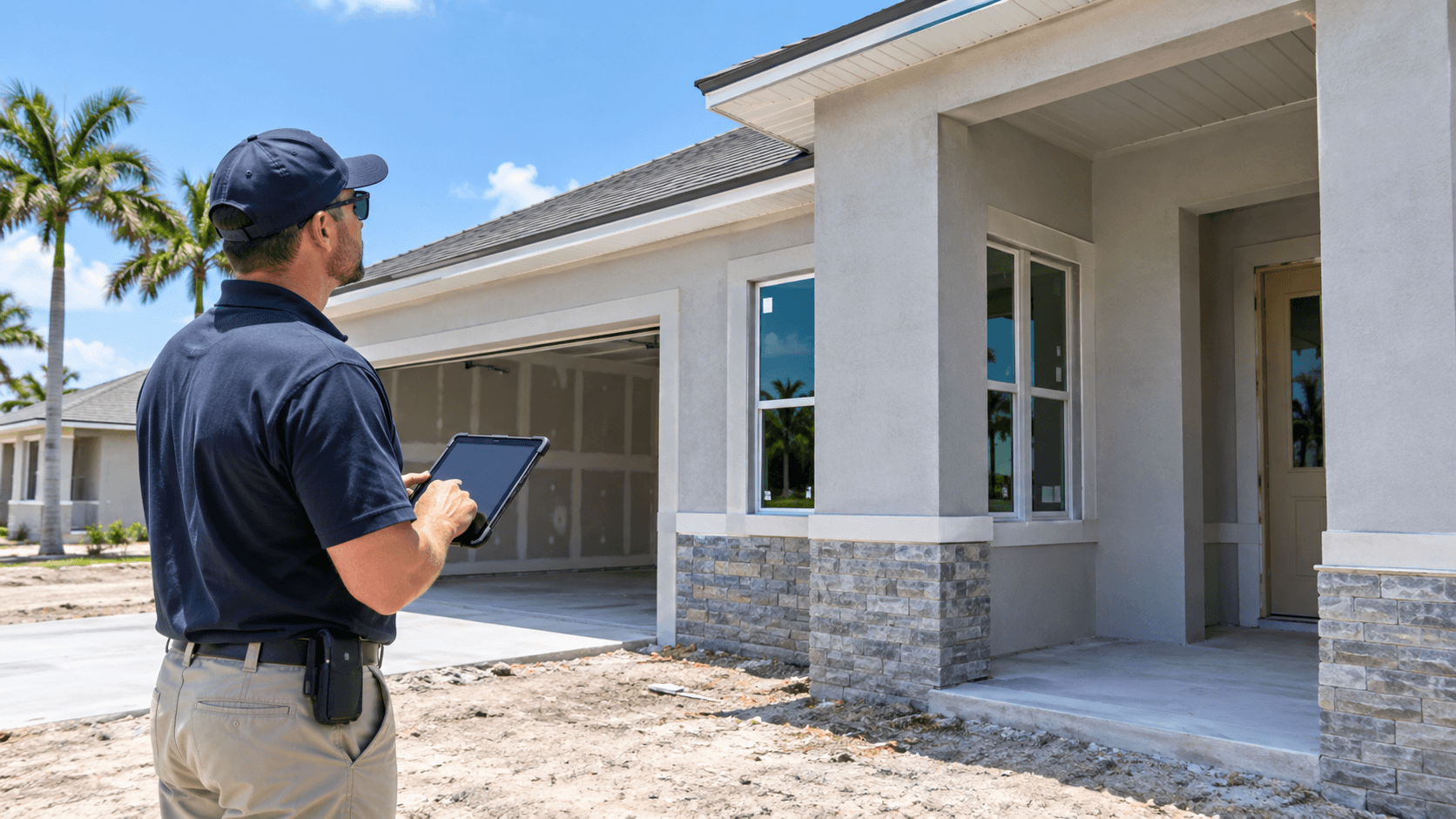
A final new construction inspection is the buyer's last full home inspection before closing. It usually happens near the end of the build. The house is complete. The utilities are on. The major systems can be tested. The inspector looks at the home as a whole and gives the buyer a written report.
This is not the same as a builder tour, a blue-tape walk, a lender appraisal, or a city final inspection. Each has a different job. The buyer should plan the private check early enough to read the report and ask what happens next under the contract.

What the final inspection is meant to do
The final inspection gives you an independent view of the finished home. It can show visible defects, systems that do not work as expected, and areas that need more review. It also helps you learn where shutoffs, filters, panels, and key controls are located.
HUD says a home inspection helps buyers know a home's condition before making a financial commitment. HUD also makes clear that an appraisal does not replace a home inspection. You arrange the check and choose the inspector. See HUD's home inspection notice.
The check is visual and limited to what is in reach on that day. It is not a promise that nothing will ever fail. It is not an engineering review unless you hire an engineer. It is not a warranty decision. The builder's written warranty and sales contract control those duties.
For the full role of a check from contract to closing, read the new construction home inspection guide.
When to schedule it
Ask about access before you sign the builder contract. Some builders require advance notice, proof of insurance from the inspector, or a set inspection window. A builder may also limit access while the home is an active job site.
The best date is normally after construction is complete enough to test the home. Water, power, gas service when used, HVAC, installed appliances, plumbing fixtures, doors, and windows should be ready. The site should also be safe to enter.
If the walls are still open, use the pre-drywall inspection guide instead. That stage has a different scope.
Do not place the appointment so close to closing that no one can read the report. The right buffer depends on your contract, the builder's process. The closing schedule. The broader new construction inspection timing guide explains the main phases and scheduling choices.
What to send the inspector
Give the inspector the address, square footage, home type, and known access rules. Share a list of upgrades and any concerns you noticed. If you have pre-drywall photos or an earlier check report, ask whether they will help.
Ask for the inspector's agreement, scope of work. A sample report before the visit. In Florida, the state has standards for systems such as the structure, electrical, HVAC, roof, plumbing, interior, exterior, and site conditions. You can review Florida's home-inspector rules and verify a license through the Florida DBPR license portal.
The scope still depends on the check agreement and what can be reached safely. Ask about items that may be outside a standard check, such as a sewer camera, pool, irrigation system, mold sampling, or thermal imaging.
What the inspector checks outside
The expert may start with the site and exterior. The review can include visible grading, drainage paths, driveways, walkways, walls, cladding, trim, sealants, windows, doors, roof areas, gutters, and exterior fixtures.
The goal is not to judge style. It is to see whether visible parts are installed, complete, and working as expected. Water should have a path away from the home. Doors and windows should open, close, lock, and seal. Exterior openings should be finished in a way that limits water entry.
Roof access depends on safety, weather, height. The expert's method. The report should state how the roof was viewed. It may recommend a roofer or one more specialist when a concern needs a closer look.
What the expert checks inside
Inside, the expert may operate in reach doors, windows, plumbing fixtures, outlets, switches, lights, fans, appliances, the garage door, and HVAC controls. The expert may look in in reach attic and crawl areas when they exist and can be entered safely.
The visit may cover:
visible structure and framing signs.
roof covering and visible flashing.
electrical service, panel, outlets, and safety devices.
plumbing supply, drains, fixtures, and water heating.
heating, cooling, thermostat, and visible ductwork.
walls, ceilings, floors, stairs, guards, and handrails.
cabinets, counters, doors, windows, and installed appliances.
insulation and ventilation where visible. and
grading and other site conditions that may affect the home.
Use the buyer-friendly new construction home check checklist to organize questions. Do not climb on the roof, open live equipment, or copy risky tests on your own.

How this differs from code approval
Local building inspections are part of the permit process. They check work tied to the approved plans and applicable codes. Miami-Dade County says inspections can include building, electrical, mechanical, plumbing, zoning, and fire work. The county also says work must be inspected before it is covered. See the county's building check guidance.
A certificate of occupancy also has a specific government role. Miami-Dade explains that a certificate validates completion under applicable codes after required approvals and holds are cleared. That does not turn the government check into a buyer's full home-condition report. Read the county's certificate of occupancy explanation.
A private expert works under your check agreement. The builder check versus independent check guide explains who each check serves and why the reports are different.
How to read the report
Do not treat every line as equal. Start with risks, active leaks, systems that do not work, missing parts, and conditions that may cause more damage. Then review installation and finish items.
Look for clear photos, locations, and plain descriptions. Ask the expert to explain anything you do not know. A good question is, "What should I do next?" The answer may be to monitor the item, ask the builder to correct it, or get an opinion from a licensed trade or design expert.
The report is facts. It is not an automatic order to the builder. Your right to request a repair, delay a step, inspect again, or take one more action depends on the sales contract, addenda, warranty, builder policy, lender needs, and local law. Send legal questions to a Florida attorney.
What to send the builder
Follow the notice method in your contract. The builder may want a portal entry, a form, an email, or a marked report. Send the notice to the right person and keep proof of the date.
Make the request easy to track. List the room or spot, the concern, the report page. The requested next step. Do not rewrite the expert's finding into a legal claim. Keep the facts, photos, and dates together.
The article on common new construction defects groups concerns by system and helps buyers sort urgent items from small finish work.
Repairs and reinspection
Ask how the builder will show that work is complete. A verbal answer is hard to track. Photos, invoices, trade notes, or a written completion list may help. They do not always prove the repair was done well.
A reinspection is a return visit by the expert. It is not always included in the first fee. Ask what the expert will recheck, what access is needed, and whether the repaired area will still be visible. If a repair covers the condition, the expert may not be able to confirm hidden work.
Do not call an item fixed only. This is because it disappeared from a punch list. Read the update, look at the area when allowed, and keep your own record.
Final check versus final walkthrough
The two events may happen on different days. The private check is a expert review under a check agreement. The final walkthrough is usually the buyer's chance to see the home before closing, confirm agreed items, and check that the home has not changed. The builder's process may also include an tour on systems and maintenance.
Bring the report and repair list to the walkthrough. Confirm what you can without unsafe testing. Check that agreed personal-property items, keys, remotes, manuals, and access devices are present. Record new damage or incomplete work.
If the check finds an key concern near closing, contact your agent, lender, closing expert, and attorney as needed. Do not assume a closing date moves by itself.

A simple before-closing plan
Read the builder contract and access rules.
Hire the expert and confirm the scope.
Schedule the visit when the home is ready to test.
Attend if allowed and take notes.
Read the full report, not only the summary.
Send written requests through the required channel.
Track answers, repairs, and any reinspection.
Use the final walkthrough to confirm visible status.
Keep the report, photos, warranty, and closing records.
The final check works best when it creates time for clear decisions. It should not be a rushed box to check on the morning of closing.
Keep the process simple
Confirm the date in writing.
Keep the report in one folder.
Ask who owns each task.
Save each repair reply.
Leave time for delays.
Common Questions
Is a final new construction check required?
A private buyer check is often optional. The contract, lender, local rules, or builder process may affect access and timing. Local permit inspections are separate and may be required.
How close to closing should the check happen?
Schedule it after the home can be fully tested and early enough to review the report. The right number of days depends on the contract, builder access, repair process, and closing date.
Can I attend the final check?
Many inspectors welcome the buyer for part or all of the visit. Builder job-site rules may limit access, so confirm permission and safety rules in advance.
Does a certificate of occupancy replace my check?
No. A certificate has a code and occupancy role. Your private check gives you a separate report about visible home conditions under your check agreement.
Will the builder fix everything in the report?
Not automatically. The contract, warranty, builder standards, local law, and facts of each item affect what the builder agrees to correct. Submit requests in writing.
Should I pay for a reinspection?
A reinspection can help when key repairs need one more expert look. Ask about the fee, scope, timing, and whether the repaired work will remain visible.
Get ready for your final check
National House Search helps Florida new-build buyers plan inspections and builder questions. The steps before closing. Call 561-704-0091 or schedule a buyer consultation to prepare for your final check with a clear plan.