Townhouse Style Condo: What Lennar's Wording Means at Vivant
In this article
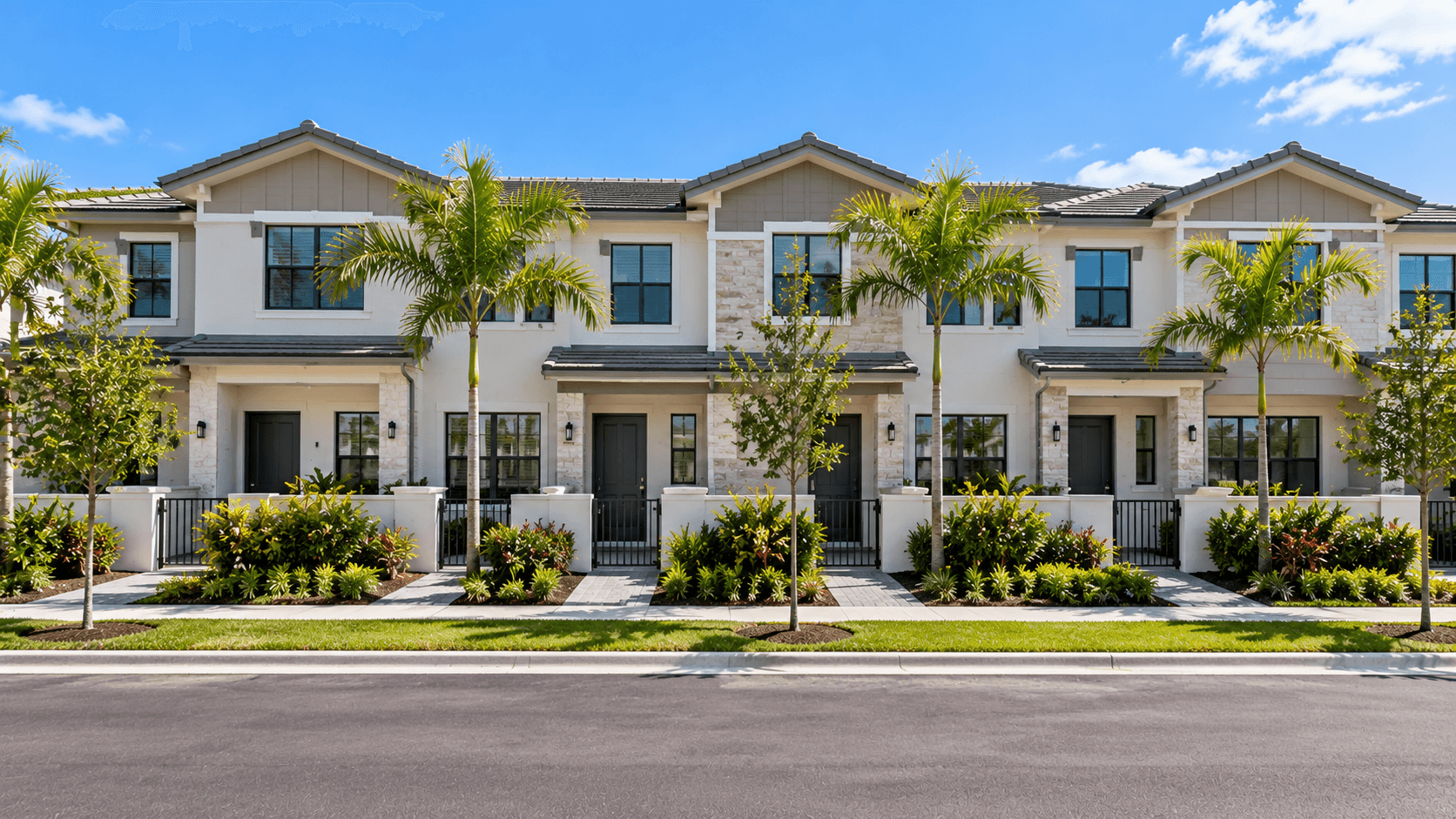
A townhouse style condo is a home that looks and lives like a townhouse but may be owned the way a condo is owned. That matters at Vivant. Lennar's plan pages for all five Vivant homes describe the outside as ""a contemporary townhome-style condominium."" Lennar's other pages call the same homes ""two-story townhomes."" Before you buy, ask Lennar for the purchase documents and find out which kind of ownership you are getting. This guide explains why that one word matters and what to ask.
We are not lawyers. This is a plain-words starting point, not legal advice. Have a Florida real estate attorney read your papers.

Where Lennar Uses the Word ""Condominium""
Here is what we found on Lennar's Vivant pages:
Every plan page has an outside picture with this caption: ""A contemporary townhome-style condominium with a low-hipped roof design, stucco finish, decorative shutters and a rear two-car garage.""
The Citadelle plan page starts: ""This new townhome-style condominium showcases impact resistant windows.""
The community page calls the homes ""spacious two-story townhomes"" and ""urban-style townhomes.""
So Lennar uses both words. The way a home looks does not tell you how it is owned. Only the legal documents do.
Townhouse vs. Condo: The Ownership Difference
These two words describe two different ways to own a home.
A condo is a form of ownership. Florida's condominium law, Chapter 718, says a condominium is ""that form of ownership of real property created pursuant to this chapter, which is comprised entirely of units that may be owned by one or more persons, and in which there is, appurtenant to each unit, an undivided share in common elements."" In plain words, you own your unit plus a shared slice of the common parts.
A townhouse is a building style. It is a home that shares walls with its neighbors, usually on two or more floors. A townhouse can be sold in more than one way, and one of those ways is as a condo.
Florida has a separate law, Chapter 720, for homeowners' associations. Which law applies depends on how the community was set up.
For a longer side-by-side look, read what you actually own in a condo, townhouse or single-family home. If you are new to the word ""townhouse,"" start with our first-time buyer's guide to townhouses.

Why a Townhouse Style Condo Is Worth Asking About
The ownership type can affect several parts of your purchase:
What you own. Is the land under your home part of your sale, or is it shared?
Your loan. Some loan types look at condo projects in their own way. Tell your lender the exact ownership type and ask whether your loan fits.
Your insurance. Ask an insurance agent what kind of policy fits the ownership type, and what the association's own policy covers.
Your rights as a buyer. Florida's condo law has its own rules for buyers who purchase from a developer. More on that below.
The documents you get. A condo sale comes with its own set of papers.
None of this means one choice is better. It means you should know which one you are buying.
A Buyer Right in Florida's Condo Law
If a home is sold as a condominium by the developer, Florida law gives the buyer time to read the papers. Section 718.503 of the Florida Statutes says the contract ""may be terminated by written notice from the proposed buyer or lessee delivered to the developer within 15 days after the buyer or lessee receives all of the documents required by this section.""
In plain words: if Vivant is a condo, you get 15 days after you receive all the required documents to cancel by written notice. Use that time. Read every page, and ask an attorney about anything you do not understand. You can read the law yourself in Section 718.503 on the Florida Legislature's site.
A Simple Plan for Reading the Papers
The documents can be long. Here is a simple way to get through them:
Ask for them early. The sooner you have them, the more time you have to read.
Start with the table of contents. Mark the parts about ownership, insurance and use of the home.
Write your questions in the margins. Do not skip a page because it looks hard.
Book an attorney before you sign. Ask what the review will cost up front.
Keep a copy of everything. Save the papers and every email in one folder.
If anything feels rushed, slow down. A good purchase does not need to be hurried. You can also call us at 561-704-0091. We can help you list your questions before you meet with the sales team or your attorney, so nothing gets missed.
Questions to Ask Lennar About the Ownership
Bring this list to the sales center:
Is Vivant set up as a condominium, a homeowners' association, or both?
Which documents will I get before I sign, and when?
What exactly do I own: the unit only, or the land under it too?
What does the association's insurance cover, and what must I insure?
Which loan types have buyers used here?
Write down the answers and keep them with your papers. If an answer is not clear, ask for it in writing. Clear answers now save you stress later.
How the Homes Themselves Work
Whatever the ownership type, the homes are the same. Lennar sells five plans at Vivant, all with three bedrooms, from 1,286 to 1,599 square feet. Each plan page shows a rear two-car garage. One plan, the Atrium, puts the whole home on the upper floor above its garage. Each plan has its own layout, so walk more than one.
Lennar's list also includes a washer and dryer, a stainless steel appliance package and a 1-2-10 year warranty. The details are in what Lennar includes, from the range to the warranty. Some plans have a fenced front courtyard, which we cover in our guide to Vivant's front courtyards.
Where Vivant Sits
Lennar uses a Miami, FL 33032 address. The Miami-Dade County map puts Vivant in unincorporated Miami-Dade, in the area the county calls Redland. Learn more in our guide to the south end of Miami-Dade.
Prices at Vivant start in the mid $300,000s. Call 561-704-0091 for today's numbers.

Common Questions
What is a townhouse style condo?
It is a home built like a townhouse, sharing walls and often on two floors, that may be owned as a condominium. The building style and the ownership type are two separate things.
Are the Vivant homes condos or townhomes?
Lennar's plan pages say ""townhome-style condominium,"" and other Lennar pages say ""townhomes."" Ask Lennar for the purchase documents. They show the ownership type.
Does Florida have a cancel period for new condos?
Florida Statutes Section 718.503 lets a buyer from a developer cancel by written notice within 15 days after receiving all the required documents. Ask an attorney how it applies to your contract.
Can I get a regular mortgage on a townhouse style condo?
It depends on the loan type and the project. Tell your lender the exact ownership type early and ask whether your loan fits.
Does the ownership type change the floor plan?
No. The five Lennar plans at Vivant are the same homes either way. The ownership type changes the paperwork, not the rooms.
Who should read my Vivant purchase papers?
You should, and so should a Florida real estate attorney. We can also walk you through the questions to ask. Call 561-704-0091.
Where can I read Florida's condominium law?
The Florida Legislature posts the statutes online. Chapter 718 covers condominiums, and Chapter 720 covers homeowners' associations. Section 718.503 has the rules on what a developer must give a buyer.
Get Your Questions Answered
Call 561-704-0091 or schedule a time to visit Vivant. See the homes on the Vivant home page.
Related reading: where Vivant sits on the county map · the Vivant range and appliance list · the fenced entries at Vivant