What actually happens when you buy new construction
In this article
"Buying a brand-new townhome is not the same process as buying a resale house, and the differences catch first-time buyers off guard. There is no seller. There is no inspection contingency in the usual form. The price is often not negotiable the way you expect, but other things are.
Here is what actually happens, step by step, so nothing surprises you.

Step one: the sales office is not neutral
The person at the model home works for the builder. They are usually helpful, usually knowledgeable, and entirely paid by the other side of your transaction.
That is not a criticism — it is just the structure. It means nobody in that room is reading the contract on your behalf unless you bring them.
At most builders, having your own representation costs you nothing extra. The important part is registering that representation on your first visit. Walk in alone, and at many builders you have given up the ability to bring somebody in later. If you take one thing from this article, take that.
Step two: what you are actually choosing
With resale, you pick a house. With new construction, you are picking up to four things:
The floor plan — at Everton that is the Latitude II or the Nautical
The homesite — which lot in the community
The stage — a finished home you can move into, or one earlier in the build
The finishes — only if the home is early enough in construction
Number three drives number four. A home that is already drywalled has almost nothing left to choose. A home that has not started has the most. Quicker move-in usually means fewer choices.
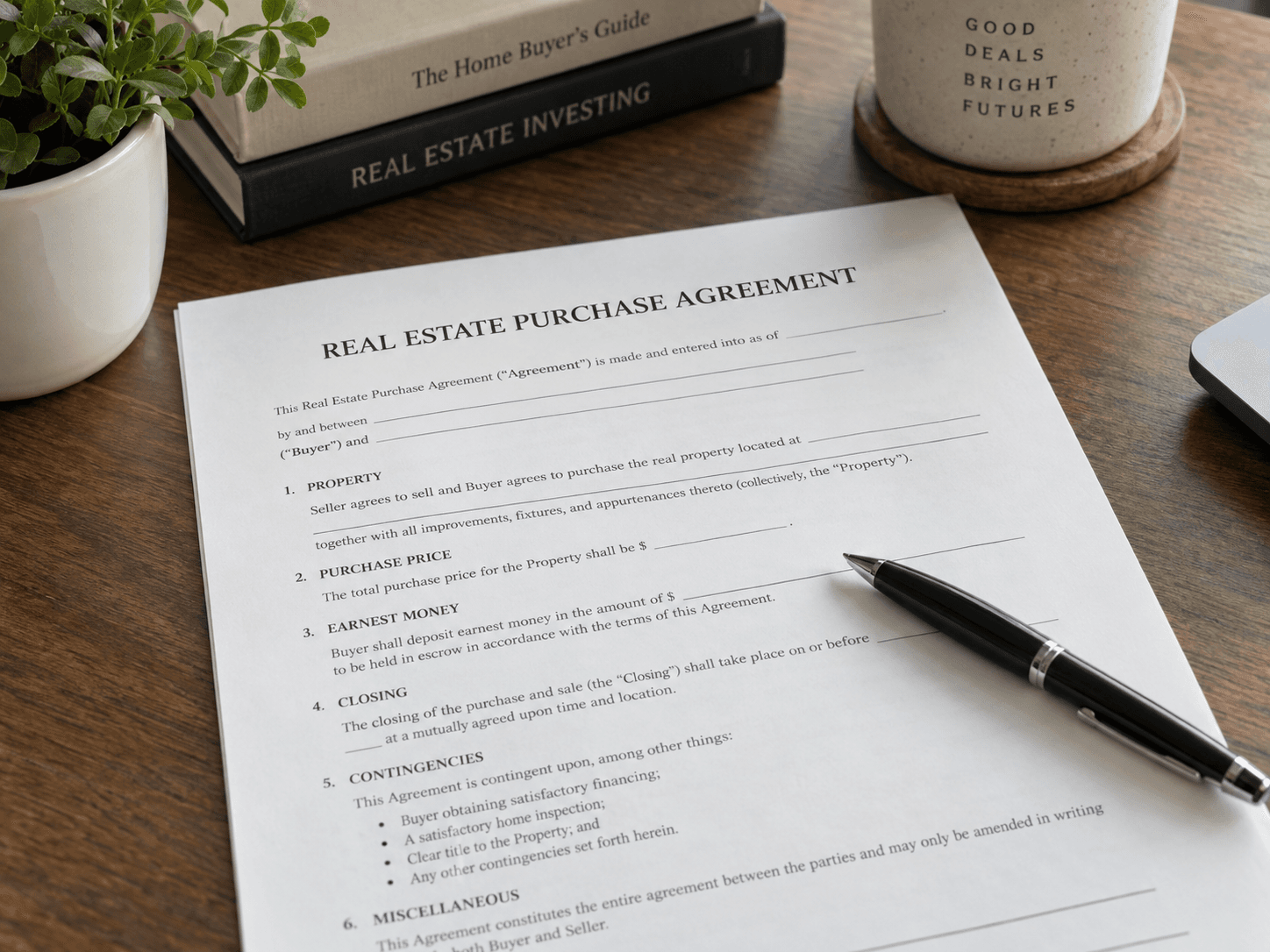
Step three: the contract
New-construction contracts are the builder's own paperwork, not the standard state form you may have seen. They are long, they are written by the builder's lawyers, and they are largely not negotiable line by line.
What they contain that matters to you: the deposit schedule, what happens if construction is delayed, what happens if you cannot close, the warranty terms, and what the builder is and is not obligated to finish before closing.
Read the delay language specifically. Construction timelines move.

Step four: the money, in the right order
Deposit. Usually taken in stages rather than all at once. Ask for the schedule in writing before you sign.
Financing. Most builders have a preferred lender and often attach an incentive to using them. Sometimes that incentive is worth more than the rate difference elsewhere and sometimes it is not. Run both. It is one afternoon and it is real money.
Closing costs. Ask what the builder covers and what you cover. This varies a lot.
The monthly number. This is where first-time buyers get caught. Your payment is not just the mortgage. It is the mortgage plus property taxes plus insurance plus the community association fee — and, in some communities, a CDD assessment on top of your taxes.
A CDD is a Community Development District charge that repays the cost of building the community's roads, drainage and utilities. It can run for decades and it does not appear in the purchase price. Two homes at the same sticker price can be meaningfully different to own. Pulte states there is no CDD at Everton.
Step five: inspections — yes, you still get one
A common myth is that a new home does not need an inspection. It does. Builders build a lot of houses quickly and things get missed.
You can hire your own independent inspector. Many buyers do one before drywall goes up, when the framing, plumbing and wiring are still visible, and one before closing.
Separately, the builder will walk you through the home at stages of its own. Pulte names its walkthroughs Introduction, Confirmation and Celebration. Those are the builder's process, not a substitute for your own inspector.
Step six: the warranty
This is a genuine advantage of new construction and it is worth understanding rather than filing away.
Pulte calls its plan the Pulte Protection Plan and describes it as a one, two, five and ten year transferable limited warranty. Transferable matters — if you sell inside the coverage period, the remainder goes with the home.
Other builders are structured differently. D.R. Horton publishes one year workmanship, two years systems and ten years structural. Do not assume any two builders match. Get the structure in writing for the specific builder you are buying from.
What people wish they had done differently
From buyers who have been through it:
Registered their agent on the first visit. The single most common regret.
Asked about the CDD before comparing prices, not after.
Brought a tape measure. Many builders, Pulte included, do not publish room dimensions.
Checked what was standard versus an upgrade at every community before comparing sticker prices.
Run their own lender against the builder's, instead of assuming either one was better.

Before you walk into any model home
Call 561-704-0091 or book at nationalhousesearch.com/schedule. Five minutes on the phone before your first visit protects your representation and gets you the list of questions that actually matter at that specific community.
For the community itself, see the Everton community page. Then read what comes standard at Everton and what the warranty covers and how the two floor plans compare. If you are still choosing an area, start with the Lantana buyer's guide or the wider Palm Beach County new townhome guide.
Common Questions
Do I need my own agent to buy new construction?
You do not have to have one, but the sales person at the model home works for the builder. At most builders your own representation costs you nothing extra. The critical part is registering it on your first visit — many builders will not allow it afterwards.
Can I negotiate the price of a new construction home?
Base prices are usually firm because the builder is protecting the value of every other home in the community. Incentives, closing cost contributions and included options are where movement usually happens, and those change month to month.
Do I need a home inspection on a brand-new home?
Yes. New homes are built quickly and things get missed. Many buyers hire an independent inspector twice — once before drywall while framing and wiring are visible, and once before closing.
How long does it take to build a new townhome?
It depends entirely on the stage of the home you choose. Some are finished and ready now, others are months out. Timelines also move, which is why the delay language in the contract is worth reading closely.
What is included in my monthly payment?
Mortgage, property taxes, insurance and the community association fee — plus a CDD assessment in some communities. Always get the full monthly figure rather than just the mortgage payment when you compare two homes.
Should I use the builder's lender?
Sometimes. Builders often attach incentives to their preferred lender that can outweigh a better rate elsewhere, and sometimes they do not. Get both quotes and compare the total cost, not just the rate.
Can I pick my finishes?
Only if the home is early enough in construction. A home already drywalled has very few choices left. Faster move-in generally means fewer selections, and that trade-off is worth deciding before you fall for a specific homesite.
"