Orange Peel Texture and Knockdown Ceilings: The Wall Finish at Pepperwood
In this article
At Pepperwood, Lennar lists ""Orange Peel walls"" and ""Knockdown ceilings"" on all four floor plans. So if you buy here, you will live with orange peel texture on your walls and a knockdown finish overhead. This guide explains what each finish is, how to spot them on a tour, and how to care for and patch them later.
What Orange Peel Texture Is
Drywall is the flat board that makes up most inside walls. Builders can leave it smooth, or they can add a texture on top.
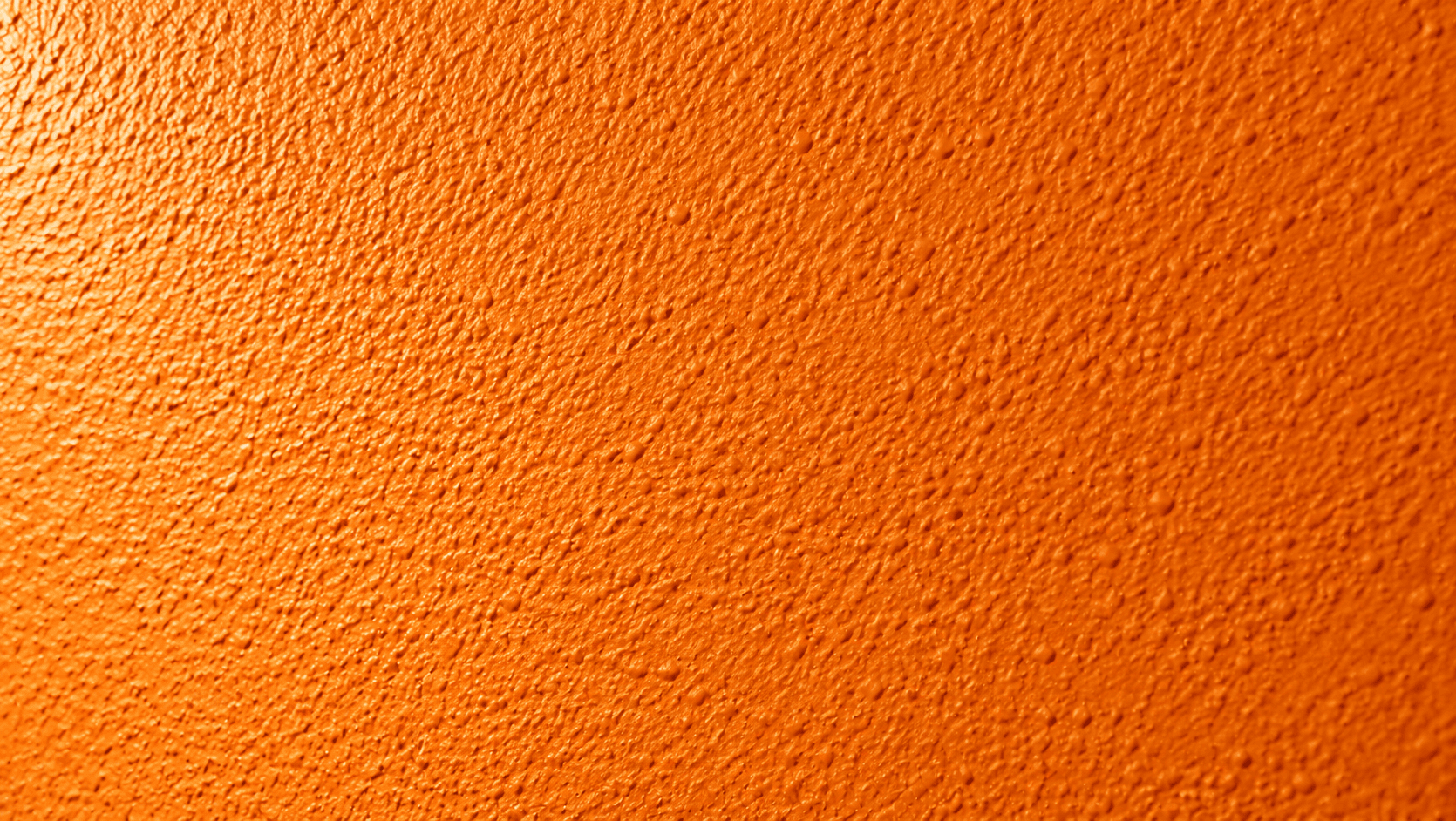
Orange peel texture is a light, bumpy texture. It gets its name because it looks a bit like the skin of an orange. Up close, you see tiny dimples and bumps. From across the room, the wall looks almost smooth.
Lennar's Pepperwood feature list names it in two words: ""Orange Peel walls.""

What a Knockdown Ceiling Is
A knockdown finish is a different texture. The material is put on the surface, and then it is lightly flattened, or knocked down, before it dries. That leaves flat-topped patches with low spots between them. It has a little more pattern than orange peel.
Lennar lists ""Knockdown ceilings"" for Pepperwood homes. So the walls and ceilings in your home will not match each other exactly. That is normal, and it is the plan.
Orange Peel Texture vs Knockdown: Side by Side
Orange peel (walls) | Knockdown (ceilings) | |
|---|---|---|
Look | Fine bumps, like fruit skin | Flat-topped patches with low spots |
How busy it looks | Light | A bit more pattern |
Where Lennar lists it at Pepperwood | Walls | Ceilings |
These are general descriptions. The exact look depends on the crew and the day the work is done. Look at the real finish in the model home.
What Else Is on the Walls and Ceilings
The texture is only part of the story. Here is what else Lennar lists for interiors at Pepperwood:
""Designer Sherwin Williams paint""
""9'4"" ceilings""
""8' ceilings on second floor"" (this applies to the two-story Marshlight)
""Modern Seagull LED light fixtures""
""Rocker-style switches throughout""
""Pre-wired for ceiling fan in great room, flex room, all bedrooms, lanai (per plan)""
""Marble window sills""
The trim along the bottom of the walls also matters for how a room looks. Lennar lists ""5 1/2"" Modern Square Edge baseboards."" Our post on the square-edge baseboards and doors at Pepperwood covers that part.

How to Spot the Textures on a Tour
When you visit, try this simple test:
Stand close to a wall in daylight and look along it, not straight at it. You will see the fine orange peel bumps.
Look up at the ceiling near a light. The knockdown pattern shows best when light hits it from the side.
Run your hand over the wall gently. Orange peel feels slightly rough, not sharp.
Check corners and edges. Look at how the texture meets trim, outlets and window sills.
If you are buying a home that is still being built, ask when the texture goes on. Paint and texture usually come near the end, so an inspection before then sees bare drywall. Our guide to new construction home inspections explains which visits to plan.
Living With Orange Peel Texture Walls
Textured walls are easy to live with day to day. Here are a few things owners often learn.
Cleaning. Use a soft cloth or sponge with mild soap and water. Scrubbing hard can wear down paint on the high points of the bumps. Test any cleaner in a hidden spot first.
Hanging pictures. Nails and screws work as usual. A small bit of texture may chip around the hole, which is easy to touch up.
Furniture rubbing. Chairs that bump the wall can leave marks on the bumps. Felt pads on chair backs help.
Ceilings. Knockdown ceilings are mostly hands-off. Dust them gently with a soft brush if you need to.
Patching Orange Peel and Knockdown Later
Sooner or later, most homes get a ding. When you patch textured drywall, the new spot needs texture too. Otherwise, it shows up as a smooth patch on a bumpy wall.
Here is the usual order of work:
Fill and sand the damaged spot so it is flat.
Add texture to match the area around it. Spray cans and patch kits are sold for orange peel and knockdown looks.
Let it dry fully.
Prime and paint to match.
Matching texture takes practice. Try it on a scrap of drywall first. For a big patch, or a ceiling, you may want a drywall pro.
Keep your paint colors. Lennar lists ""Designer Sherwin Williams paint."" Ask your builder rep for the exact paint names and finishes used in your home, and write them down. It makes touch-ups much easier.
Check your warranty papers. Before you fix anything in your first year, read what your warranty covers. Lennar's Pepperwood pages list a ""2-10 Home buyers Warranty"" and ""Manufacturers Warranties for A/C, Appliances and Fixtures."" Ask what is covered for drywall and paint, and for how long.

Painting a Room a New Color Later
Want to change a wall color after you move in? Textured walls take paint well, but a few steps help.
Clean the wall first. Dust settles in the low spots of the texture.
Use a thicker roller cover. Ask the paint store for one made for textured walls. A thin roller can skip the low spots.
Cut in the edges by brush. Go slowly where the wall meets the knockdown ceiling and the baseboards.
Do two coats. Texture can make a single coat look patchy.
Save a little paint. Label the can with the room name for future touch-ups.
If you plan to repaint soon after closing, ask whether that changes anything in your warranty papers.
Why the Included List Matters
The wall and ceiling finish is one small line on a long list. Lennar calls its approach ""Everything's included."" For the full Pepperwood list, from the foundation to the kitchen, read the full Pepperwood included list, foundation to kitchen. If you want to know how that phrase works in general, see our look at the meaning behind Lennar's Everything's Included.
Lennar also says to ""see your New Home Consultant and/or home purchase agreement for actual features to be included in the home."" Your contract is what counts.
Questions to Ask Your Builder Rep
Is the wall texture the same in every room, including bathrooms?
Can I choose a smooth finish in any room, and does it cost extra?
Which Sherwin Williams colors and sheens are used in my home?
Will I get leftover paint at closing?
What does the warranty say about drywall cracks?
Common Questions
What is orange peel texture?
It is a light, bumpy wall texture that looks a bit like the skin of an orange. Lennar lists ""Orange Peel walls"" at Pepperwood.
What is a knockdown ceiling?
It is a texture that is put on the ceiling and then lightly flattened before it dries, leaving flat-topped patches. Lennar lists ""Knockdown ceilings"" at Pepperwood.
Are the walls and ceilings the same texture at Pepperwood?
No. Lennar lists orange peel for the walls and knockdown for the ceilings.
How high are the ceilings at Pepperwood?
Lennar lists 9'4"" ceilings, and 8' ceilings on the second floor, which applies to the two-story Marshlight.
Can you patch orange peel texture walls yourself?
Yes, many owners do small patches. Fill and sand the spot, add matching texture, then prime and paint. Larger patches may need a drywall pro.
What paint does Lennar use at Pepperwood?
Lennar lists ""Designer Sherwin Williams paint."" Ask your builder rep for the exact colors used in your home.
See the Finish in Person
Textures are easier to judge in real light. Call 561-704-0091 or reserve a time to see the finishes. Browse plans on the Pepperwood listing page.
Related reading: Baseboard Styles: The Square-Edge Trim and Doors Inside Pepperwood Homes · Monolithic Slab, Block Walls and What Else Lennar Builds Into Pepperwood · New Construction Home Inspection: A Guide for Park Trace Buyers