Buying new construction — a first-timer's guide
In this article
"Buying a new home from a builder works differently than buying resale — no back-and-forth counteroffers, no inspection contingencies on a home nobody's lived in yet. Here's how the process actually runs at Forest Townhomes.
Step one: pick a plan and a homesite
You start by choosing one of the five floor plans, then a specific homesite. Position, lot size, and orientation all vary even within the same plan — part of why two buyers on the same floor plan can end up with a different price. Compare all five plans here if you haven't picked one yet. Homesite selection is worth taking seriously: proximity to the community's pools and dog park, which direction the home's primary windows face, and how close the nearest neighboring unit sits all affect daily life in ways a floor plan sketch can't show you.

Step two: the purchase agreement and deposit
Once you've chosen, you sign a purchase agreement and put down a deposit to reserve the homesite. Deposit structures vary by community and by how far along construction is — ask directly what's required before you sign anything. Unlike a resale purchase agreement, there's typically no back-and-forth negotiation over price once you've selected a homesite and plan; pricing is generally set by the builder, though promotions and incentives can and do change what a specific purchase actually costs.
Read the purchase agreement closely, particularly any section covering estimated completion timelines and what happens if construction runs longer than expected. New construction contracts are structured differently from resale contracts, and it's worth having a real estate professional review the agreement with you even though there's no seller on the other side to negotiate against directly.
Step three: design selections
If the home hasn't been built yet, you'll make selections at Mattamy's design studio — cabinet finishes, available upgrades, and more. Quick move-in homes skip this step since those selections are already made. See exactly what's included as standard before your design studio appointment, so you walk in already knowing what's baked into your price versus what you'd be adding.
Design studio appointments typically run longer than buyers expect — budget real time to walk through every category of selection rather than rushing the decision. Some choices, like structural options that affect the home's layout, need to be locked in early in construction; cosmetic finishes like cabinet hardware or light fixtures usually have more flexibility later in the process. Ask your design studio consultant which category each decision falls into so you know which ones you can revisit and which ones are final once signed.

Step four: construction, then the walkthrough
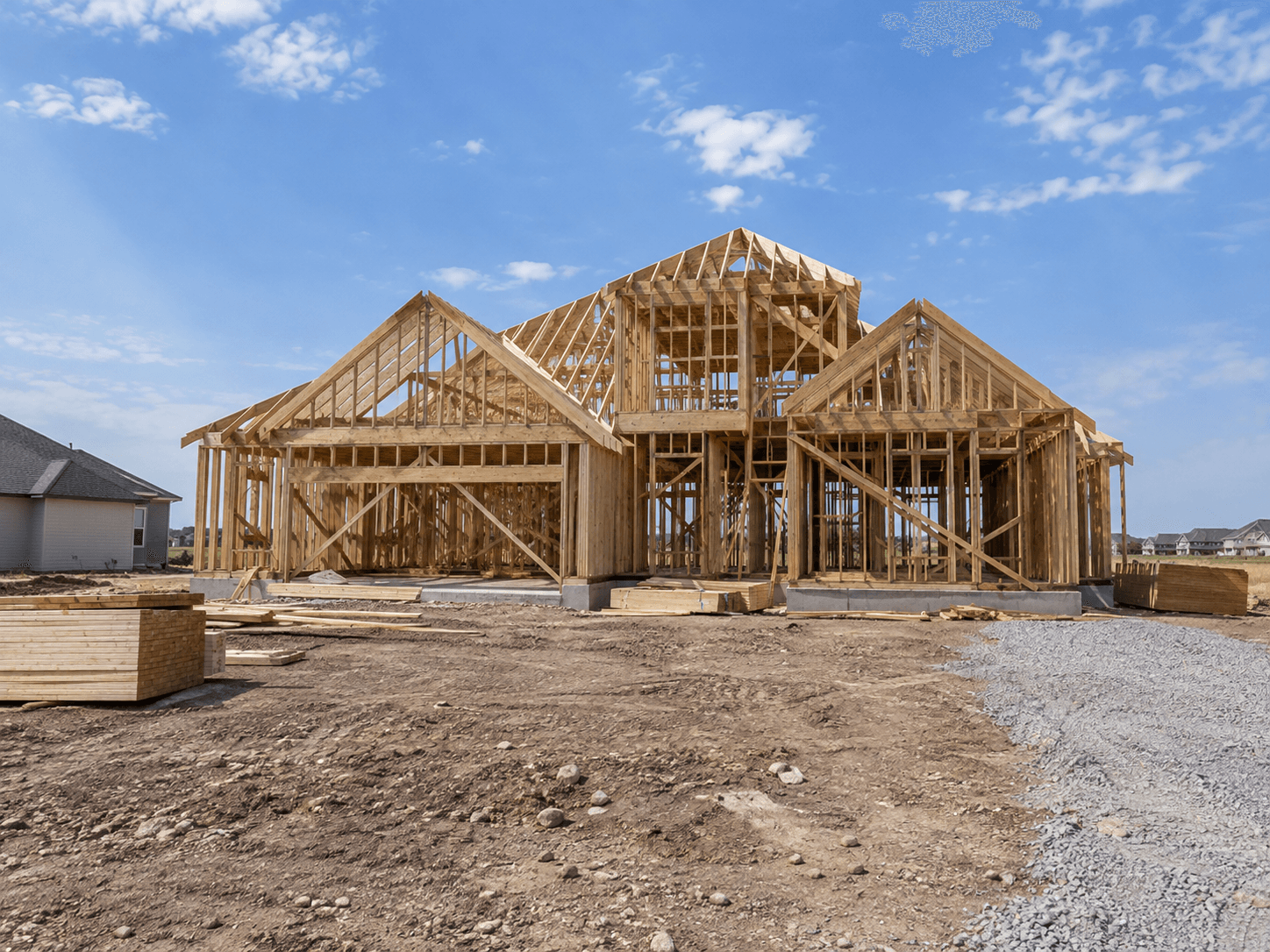
The home moves through construction on the builder's timeline, with permitting, weather, and supply schedules affecting your close date. This is one of the most significant differences from buying resale — a resale home already exists, so its condition and timeline are largely known quantities, while new construction timing carries some genuine uncertainty that's worth planning around, especially if you're coordinating a lease end date or a home sale of your own.
Before closing, you'll walk the finished home and note anything needing correction — your one chance to catch issues before the warranty clock starts. Bring a flashlight, open every cabinet and closet, test every light switch and outlet, and don't feel rushed through this walkthrough. Anything you note gets documented and addressed under warranty, but anything you miss becomes your responsibility to notice later, sometimes well after the fact.
Why this differs from buying resale
There's no seller to negotiate with directly, and every system in the home starts its warranty period the day you close — not partway through a prior owner's use of the home. There's also no chain of prior owners' modifications or deferred maintenance to inherit; what you see during construction and at your final walkthrough genuinely reflects the home's actual condition, rather than years of accumulated wear a resale inspection might only partially surface.
If you're still deciding which floor plan fits, here's how the Hawthorn and Ellery compare at opposite ends of the lineup. Once you're through closing, here's what daily life in Lake Worth is actually like.
Financing a new construction home
Financing a new build follows the same basic mortgage process as resale, with a few added wrinkles. Because closing happens on a future date tied to construction progress rather than immediately, your lender's pre-approval and rate lock timing need to account for that. Some lenders offer extended rate locks specifically designed for new construction timelines; ask about this option early rather than assuming a standard 30- or 45-day lock will cover a home that won't close for several months. It's also worth getting pre-approved before you fall in love with a specific plan and homesite, so you're comparing options against your actual budget rather than working backward from a price you've already committed to emotionally.
What to expect after you move in
The first few months in a new home are when most workmanship-related items surface, if they're going to surface at all — a home settles, materials acclimate to daily use, and small adjustment items are a normal part of that process rather than a sign anything went wrong. Keep a running list rather than calling in every minor item as it comes up, and use your one-year workmanship anniversary as a natural checkpoint to submit anything you've been tracking before that coverage window closes.
Common Questions
Do I need an inspection on a new construction home?
Many buyers still hire an independent inspector before the final walkthrough — a second set of eyes before your warranty clock starts.
Can I negotiate the price on a new construction home?
Sometimes, particularly on quick move-in homes or homesites that have been available longer. Ask directly what flexibility exists.
What's the difference between a quick move-in home and a to-be-built home?
A quick move-in home is already under construction or complete with fixed selections. A to-be-built home lets you choose finishes but takes longer to close.
How long does new construction typically take to close?
It depends on which stage of construction the home is in at contract. Ask for a specific estimated close date before you sign.
What happens at the final walkthrough?
You walk the completed home with the builder and note any items needing correction before closing — documented and addressed under your warranty.
Should I use a real estate agent when buying new construction?
Yes — an agent can represent your interests in reviewing the purchase agreement and coordinating the process, generally at no direct cost to you as the buyer.
What should I bring to the final walkthrough?
A flashlight and a notepad. Test every switch, outlet, faucet, and door, and open every cabinet and closet before you sign off.
Do I need an extended rate lock for new construction financing?
It's worth asking your lender about, since new construction typically closes further out than a resale purchase and a standard rate lock may not cover the full timeline.
Can I back out after signing a purchase agreement?
Purchase agreement terms, including any cancellation provisions and deposit implications, vary by contract — review this section closely with a real estate professional before signing.
Ready to see Forest Townhomes for yourself? Call Simon Karim at 561-704-0091 or Start the process with a visit."