Biscayne National Park: A Guide From Palm Cay
In this article
Biscayne National Park is a national park in south Miami-Dade County that is about 95% water, according to the National Park Service. The Park Service says it protects "aquamarine waters, emerald islands, and fish-bejeweled coral reefs." Most of it is explored by boat, kayak or snorkel. Its only mainland visitor center, the Dante Fascell Visitor Center, has an address on SW 328th Street. That is the same street that runs along the north edge of Palm Cay, D.R. Horton's townhome community in Florida City. This guide covers what the park is, what to do there, and how to plan a first visit from Palm Cay.

What Is Biscayne National Park?
The National Park Service describes Biscayne as a park that is 95% water. It says the park lies "within sight of Miami, yet worlds away," and that it also holds evidence of 10,000 years of human history, from early settlements to shipwrecks.
According to Wikipedia, it was first protected as a national monument on October 18, 1968. It became a national park on June 28, 1980.
Because so much of it is water, a visit to Biscayne is mostly about getting out on the water.
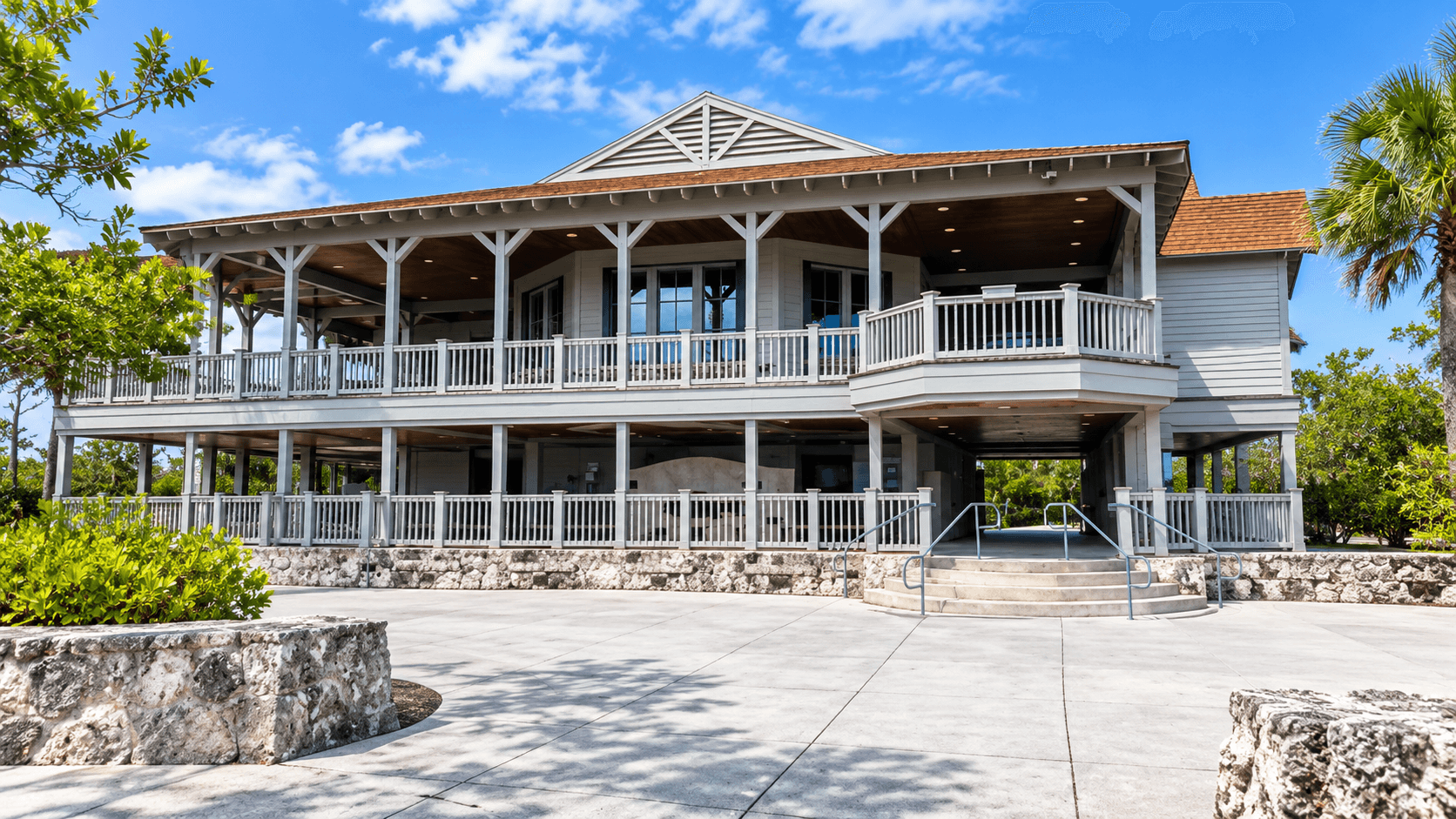
The Dante Fascell Visitor Center at Convoy Point
The park's directions page gives the visitor center address as 9700 SW 328th Street, Sir Lancelot Jones Way, Homestead, FL 33033. The spot is called Convoy Point. Wikipedia says Convoy Point is the only direct mainland access to the park.
This is where most first visits start. It is the place to get maps, learn what the park protects, and check in for guided trips that leave from here.
SW 328th Street: Palm Cay's Street to the Park
Here is the local connection. The builder's site plan for Palm Cay shows SW 328th Street, also called Lucy Street, along the community's north side. The park's visitor center is also on SW 328th Street, to the east.
The Park Service's directions page shows routes using Florida's Turnpike, U.S. 1 and Palm Drive. Palm Cay sits close to both the Turnpike and U.S. 1. Use the directions page to plan your trip.

Things to Do in Biscayne National Park
The Park Service lists these activities:
Boating on the bay and out to the keys
Canoeing and kayaking along the mangrove shoreline
Snorkeling and diving on the reefs and shipwrecks
Fishing and lobstering, following state and park rules
Guided eco-adventures that leave from the Dante Fascell Visitor Center
Biscayne National Park Snorkeling
Snorkeling is one of the activities the Park Service lists, along with exploring the coral reefs.
The park's Maritime Heritage Trail is an underwater trail of six shipwrecks, plus the Fowey Rocks Lighthouse. The Park Service says the sites are reached by boat only. It says three wrecks, the Erl King, the Alicia and the Lugano, are best for scuba divers, while the other sites can be enjoyed by snorkeling. It singles out the Mandalay as a standout for snorkelers.
If you do not have a boat, a guided trip is the easy way in. The Biscayne National Park Institute, the park's nonprofit partner, runs snorkeling trips, paddling trips, island cruises and scuba trips. Many leave from the Dante Fascell Visitor Center.
Always check the weather and sea conditions before any trip on the water.
The Islands: Elliott Key and Boca Chita Key
Biscayne's islands are called keys. Two are the best known:
Elliott Key is the park's largest island, and Wikipedia says it has a campground.
Boca Chita Key has a small ornamental lighthouse built of coral rock. Wikipedia says it was built by Mark Honeywell and calls it an imitation lighthouse.
Both are reached by boat. The Biscayne National Park Institute runs heritage cruises to Boca Chita Key, and its website says those leave from Dinner Key in Coconut Grove.
Planning a First Visit From Palm Cay
Start at the visitor center. Learn the park before you head out.
Book a guided trip if you do not own a boat. Check the Biscayne National Park Institute site for what runs that day.
Pack for sun and water: a hat, reef-safe sunscreen, water and a dry bag for your phone.
Check the park's alerts and hours on the Park Service site before you leave home.
Pair it with another local stop. Homestead-Miami Speedway and the Robert Is Here fruit stand are both close to home for Palm Cay owners.
Fees, hours and trip schedules change, so we do not list them here. The Park Service and the Institute keep them current.

Two National Parks Near Home
Palm Cay owners live close to two national parks. Biscayne is the water park to the east. Everglades National Park is the other one: Palm Drive, also State Road 9336, leads west from Florida City toward its main entrance. Each shows a very different side of South Florida.
About Palm Cay
Palm Cay is a D.R. Horton Express Series townhome community in Florida City. It has five two-story floor plans from 1,382 to 1,582 square feet, with 3 or 4 bedrooms. None has a garage. D.R. Horton says each home comes with two assigned and owned parking spaces in front. If you tow a boat or kayak trailer, ask about the community rules before you buy, and read our guide to parking space dimensions.
The community includes a pool, cabana, dog park, tot lot and a walking area around the lake with fitness equipment. D.R. Horton describes them as completed.
Homes have recently started in the low $370,000s. Prices and incentives change, so call 561-704-0091 for today's numbers. Compare every plan in Palm Cay floor plans compared, and read about another local landmark in our Coral Castle guide.
Common Questions
What is Biscayne National Park?
It is a national park in south Miami-Dade County that is about 95% water, according to the National Park Service. The Park Service says it protects aquamarine waters, islands and coral reefs, within sight of Miami.
Where is the Biscayne National Park visitor center?
The Park Service lists the Dante Fascell Visitor Center at 9700 SW 328th Street, Sir Lancelot Jones Way, Homestead, FL 33033. The spot is called Convoy Point, the park's only direct mainland access.
Can you snorkel at Biscayne National Park?
Yes. Snorkeling is one of the activities the Park Service lists. It singles out the Mandalay wreck on the Maritime Heritage Trail for snorkelers, and the trail is reached by boat only. Guided trips run through the Biscayne National Park Institute.
Do you need a boat to see Biscayne National Park?
For most of it, yes, because the park is about 95% water. Without a boat, start at the visitor center and book a guided trip with the Biscayne National Park Institute, the park's nonprofit partner.
What is the Maritime Heritage Trail?
It is an underwater trail of six shipwrecks plus the Fowey Rocks Lighthouse, described by the National Park Service. It is reached by boat only. The Park Service says the Erl King, Alicia and Lugano are best for scuba divers, and the other sites suit snorkelers.
When did Biscayne become a national park?
According to Wikipedia, it became a national monument on October 18, 1968, and a national park on June 28, 1980.
How close is Palm Cay to Biscayne National Park?
Both are on SW 328th Street. The builder's site plan shows that street along Palm Cay's north side, and the park's visitor center address is on it too, to the east. Use the Park Service directions page to plan the trip.
Call 561-704-0091 or Book a Palm Cay Visit With Simon to tour the homes at Palm Cay and plan your first park day.
Related reading: Robert Is Here Fruit Stand: A Guide From Palm Cay, Coral Castle: A Guide From Palm Cay in Florida City, Homestead-Miami Speedway: A Neighbor's Guide From Palm Cay, Palm Cay Floor Plans: All Five Townhomes Compared, Parking Space Dimensions: Two Assigned Spaces at Palm Cay, and the Palm Cay community page.