4-Point Inspection in Florida: What It Checks and Why New Homes Usually Skip It
In this article
A 4-point inspection is a short insurance inspection of four parts of a Florida home: the roof, the electrical system, the plumbing and the heating and cooling (HVAC). Citizens Property Insurance Corporation of Florida requires one for homes more than 20 years old. A brand-new home is far below that age, so Citizens' rule does not apply to it, but other insurers set their own rules, so always ask.
What is a 4-point inspection in Florida?
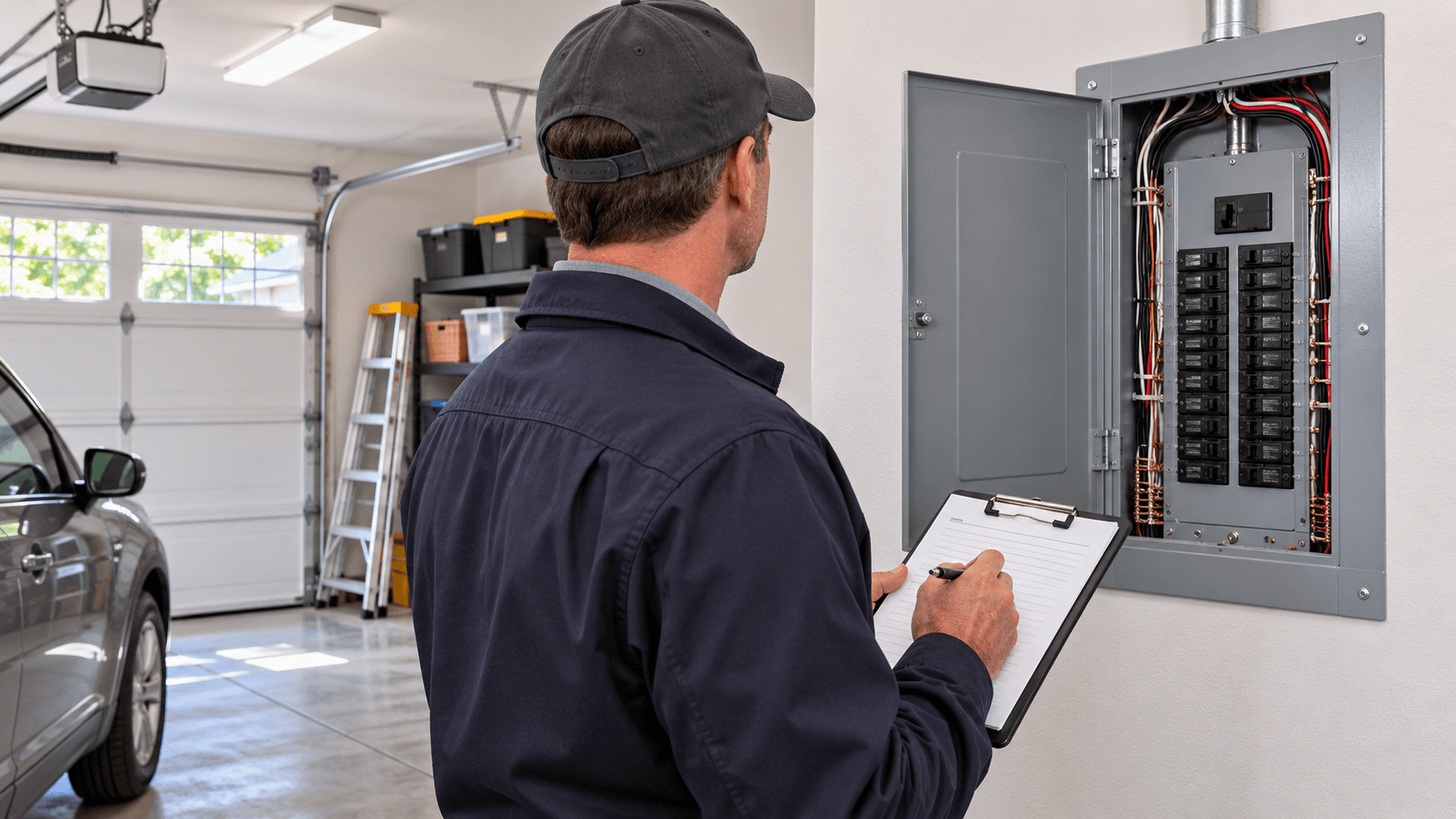
A 4-point inspection is not a full home inspection. It is a report for an insurance company. Citizens Property Insurance Corporation explains that a Florida-licensed inspector checks the home's electrical system, plumbing, heating and cooling system, and roof. The inspector must report the age, type and condition of the wiring, the heating and plumbing systems, and the roof.
Insurers use it to decide whether they will write a policy on an older home and on what terms. Citizens says any serious hazards or problems, such as exposed wiring, active leaks or signs of past leaks, should be fixed before you apply for coverage.
Which homes need a 4-point inspection?
For Citizens, the answer depends on the age of the home. Citizens requires a four-point inspection for all property owner, dwelling and mobile home applications for properties more than 20 years old.
Private insurers write their own underwriting rules. One company may ask for a 4-point on a younger home than Citizens does. Another may not ask at all. When you shop for coverage, ask each insurer:
Do you need a 4-point inspection for this home?
Do you need a roof inspection or a wind mitigation report?
Which inspector licenses do you accept?
Home or roof | What Citizens asks for |
|---|---|
Home 20 years old or newer | No four-point inspection under Citizens' age rule |
Home more than 20 years old | Four-point inspection by a Florida-licensed inspector |
Shingle (soft) roof older than 25 years | Proof of at least 5 years of remaining roof life |
Tile, slate, clay, concrete or metal (hard) roof older than 50 years | Proof of at least 5 years of remaining roof life |
Source: Citizens Property Insurance Corporation inspections page, checked Nov. 2, 2026.
What does a 4-point inspection check?
The four points are the four systems Citizens lists:
Roof: age, type and condition, and any signs of leaks or damage.
Electrical: the type and age of the wiring and panel, and any hazards such as exposed wiring.
Plumbing: the type and age of the pipes and water heater, and any leaks.
HVAC: the age and condition of the heating and cooling system.
Citizens uses its own Four-Point Inspection Form. It says inspectors should use the most up-to-date forms, and that a form may not be accepted if the right professional did not do the inspection or the inspector's Florida license cannot be verified.

Who can do a 4-point inspection?
Florida law has a list. Section 627.7011(5) of the Florida Statutes defines an ""authorized inspector"" for these home insurance inspections as someone approved by the insurer who is one of the following:
A licensed home inspector
A certified building code inspector
A licensed general, building or residential contractor, or a roofing contractor
A licensed professional engineer
A licensed architect
Another person or company the insurer recognizes as qualified
Citizens adds that it reviews every form and may not accept one if the inspector's license is not active.
What does Florida law say about roof age?
Roof age is often the biggest question on an older home. Florida law gives homeowners two protections under section 627.7011(5):
An insurer may not refuse to issue or renew a homeowner's policy on a home with a roof less than 15 years old solely because of the age of the roof.
For a roof at least 15 years old, the insurer must let the homeowner get a roof inspection by an authorized inspector, at the homeowner's cost, before requiring a new roof. If that inspection shows 5 or more years of useful life left, the insurer may not refuse to issue or renew solely because of roof age.
The law counts a roof's age from the last date the whole roof was built or replaced under the building code in effect at the time. It applies to policies issued or renewed on or after July 1, 2022.
Do you need a 4-point inspection on a new-construction home?
Usually not, and here is why. A brand-new home is well under Citizens' 20-year line. Its roof is brand new, so it is also far below the 15-year mark in Florida's roof-age law.
That does not mean you skip paperwork. Your insurer still has to see what you are insuring. On a new home, the documents that usually matter are:
The certificate of occupancy. It shows when the home was finished. Our post on the certificate of occupancy explains what it is and when you get it.
A wind mitigation report. Florida law (section 627.711) requires insurers to accept a uniform mitigation verification form when you ask for wind discounts. New homes often have features that earn credits. See our guide to a wind mitigation inspection on a new home.
Any form your insurer asks for. If an insurer does ask for a 4-point on a new home, the report should be short, because every system is new.
What this means for new-construction buyers in Florida
Lenders generally require proof of homeowners insurance before you close, the Consumer Financial Protection Bureau says. In Florida, getting that policy on an older home can mean a 4-point inspection, a roof inspection, and sometimes repairs before an insurer will write the policy.
A new home avoids most of that paperwork. There is no 20-year-old wiring or water heater to report on, and no question about the roof's remaining life. That does not guarantee any price. Premiums depend on the insurer, the home and the location. Our post on Florida home insurance costs for new construction covers the credits that can help.
Three tips for new-home buyers:
Start shopping for insurance as soon as you know your expected closing month.
Ask the builder when the certificate of occupancy is expected, so you can give your insurer the finish date.
Get the wind mitigation report done once the home is finished, then send it to every insurer you are comparing.

Is a 4-point inspection the same as a home inspection?
A 4-point is a short report for an insurer about four systems. A full home inspection looks at the whole house for you, the buyer. On a new home, many buyers still hire their own inspector before closing. Our guide to the new construction home inspection explains when and why.
Common Questions
What is a 4-point inspection in Florida?
It is a short insurance inspection of a home's roof, electrical system, plumbing and heating and cooling system. The inspector reports the age, type and condition of each one so the insurer can decide whether to write a policy.
What age home needs a 4-point inspection in Florida?
Citizens Property Insurance Corporation requires one for homes more than 20 years old. Private insurers set their own rules, so ask each company you get a quote from.
Do new construction homes need a 4-point inspection?
Usually not. A brand-new home is far below Citizens' 20-year line and its roof is new. Your insurer may still ask for the certificate of occupancy and a wind mitigation report.
Who can do a 4-point inspection in Florida?
Florida law lists licensed home inspectors, certified building code inspectors, licensed general, building, residential or roofing contractors, licensed engineers and licensed architects, or others the insurer recognizes as qualified. The insurer must approve the inspector.
Can an insurer refuse my policy because of my roof's age?
Not solely because of age if the roof is less than 15 years old. For a roof at least 15 years old, the insurer must let you get a roof inspection first, and it may not refuse solely because of age if the inspection shows 5 or more years of useful life left.
Is a 4-point inspection the same as a wind mitigation inspection?
No. A 4-point looks at the condition of four systems for insurance eligibility. A wind mitigation inspection documents features that can lower the wind part of your premium, using a uniform form all insurers must accept.
Ready to take the next step?
Call 561-704-0091 to talk with a National House Search specialist, or Schedule a visit.
Related reading: Do New Homes Cost Less to Insure in Florida? · Wind Mitigation Inspection on a New Home · Certificate of Occupancy on a New Home
This is general information, not financial, tax or legal advice. Figures checked November 2, 2026.