Gated Communities and HOAs in Wellington, FL: What to Know
In this article
If you're considering a gated community like The Estates at Lotis Wellington, it helps to understand what "gated" and "HOA" actually mean in practice, beyond the general idea that they exist.
What does "gated" actually mean?
A gated community has controlled access — typically an entry gate that restricts who can drive in, rather than open streets anyone can access. The specifics of how a gate operates, whether it's staffed, code-based, or app-controlled, vary by community, so it's worth asking directly what the access system looks like when you visit.
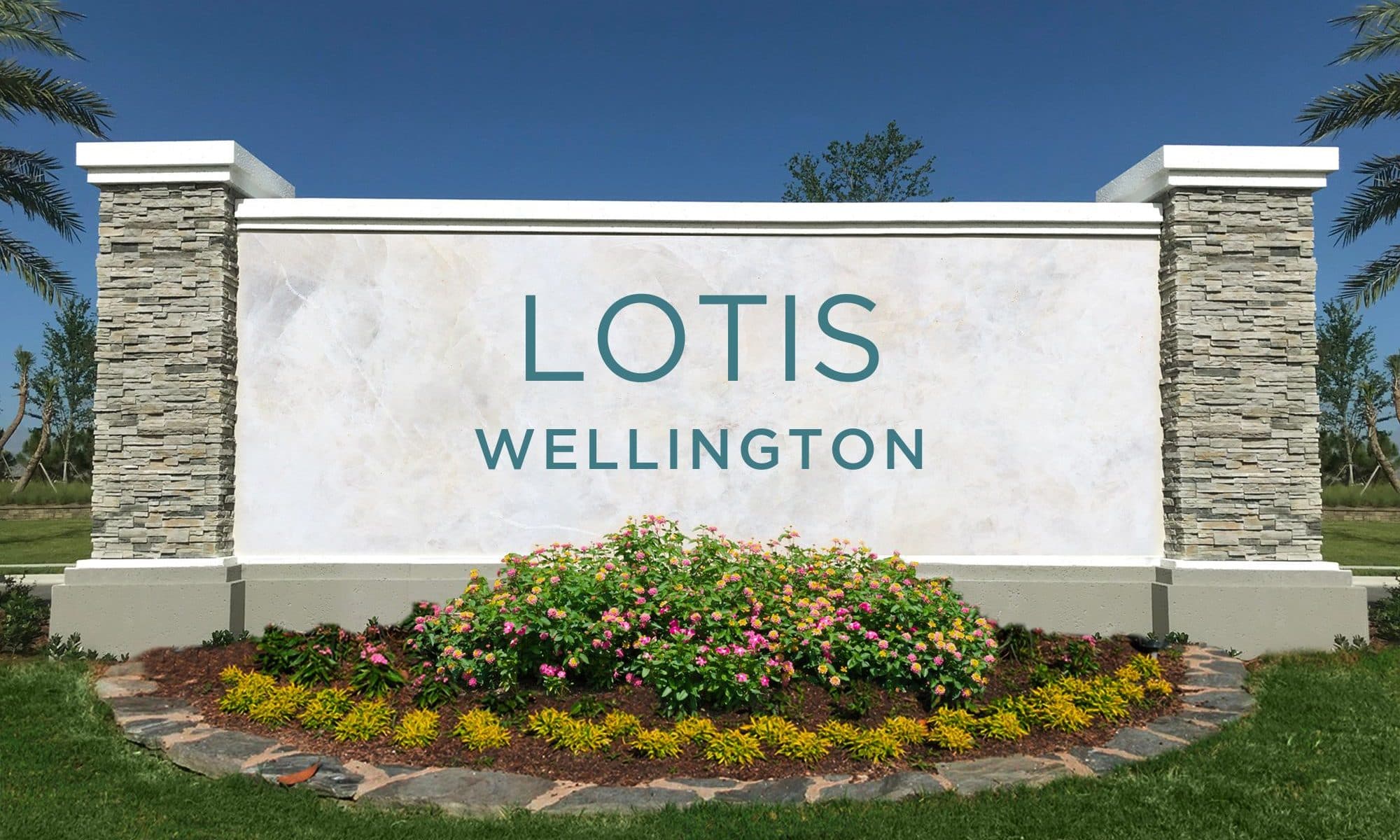
The Estates at Lotis Wellington is a gated community, which is one of its defining features alongside the shared amenity core.

What does an HOA do?
A homeowners association (HOA) is an organization that manages shared aspects of a community — typically common areas, amenities, and sometimes exterior maintenance standards — funded through dues paid by homeowners. Nearly every gated community with shared amenities, including pools, clubhouses, and landscaped common areas, operates under an HOA structure, because someone has to fund and maintain those shared spaces.
What HOA dues generally cover
HOA dues typically fund the maintenance of shared amenities and common areas — think landscaping in shared spaces, upkeep of a clubhouse or pool, and general community infrastructure. The exact scope varies significantly by community, so it's genuinely worth asking directly what a specific HOA's dues cover rather than assuming based on what you've heard about HOAs generally. Every community structures this differently.
Why HOA dues and rules matter for your budget and lifestyle
Beyond the home's purchase price, HOA dues are an ongoing monthly or annual cost that factors into your total cost of homeownership — worth including in your budgeting the same way you'd account for property taxes or insurance. HOAs can also come with community guidelines covering things like exterior modifications or shared space usage. Because these specifics vary meaningfully by community and can include real financial and legal commitments, the right move is always to ask directly and review the actual HOA documents before you're under contract — a blog post can explain the general concept, but only the community's own paperwork can tell you the specifics that apply to you.
What "gated" adds beyond access control
For a lot of buyers, gated access isn't just about controlling who drives through — it also tends to correlate with a stronger sense of community identity and a more consistent standard of upkeep across the neighborhood, since a managed community with shared amenities generally maintains common areas more consistently than an open subdivision without one. That's a general pattern, not a guarantee, and it's worth judging any specific community on its own merits rather than assuming gated automatically means better-maintained.

Gated living and daily convenience
Day to day, gated access mostly shows up as a small routine — using a code, app, or gate credential to enter — rather than something that meaningfully changes how you live. For most residents, it becomes second nature quickly and isn't a source of ongoing friction, though it's worth asking about the process for guests and deliveries specifically, since that's the part that varies most between communities.
What's included versus what the HOA governs
It's worth understanding the difference between what comes with your specific home — like the included features under Lennar's Everything's Included program — and what falls under the HOA's separate governance.
See the full included features and warranty breakdown for what's part of the home itself; HOA-specific questions are a separate conversation worth having directly during your visit.
Questions worth asking before you buy in any gated community
Whether you're looking at Lotis Wellington or any other gated community, it's worth asking: what do the dues currently cover, are there any planned assessments or upcoming projects, what's the process for guest access, and what governs exterior changes to your home. These are reasonable, standard questions any HOA-governed community should be able to answer clearly, and getting them answered before you're under contract avoids surprises later.
How this fits into your bigger decision
Gated access and HOA structure are just one piece of a larger decision that includes the floor plan, the price, and the lifestyle fit.
Compare all 7 floor plans at Lotis Wellington and read more about what living in Wellington is actually like to build the fuller picture before you visit. For the practical side of daily logistics beyond the gate itself, see schools, shopping, and getting around near the community.
The difference between a gate and a wall
Not all "gated" communities look the same physically — some use a full perimeter wall or fence with a single controlled entry point, while others use a gate at the main entrance without a continuous perimeter barrier. Neither approach is inherently better; they simply reflect different design choices by the developer. It's worth observing the physical layout during your visit so you have an accurate picture of what "gated" means for that specific community, rather than assuming every gated community looks identical.
HOA governance and how decisions get made
Most HOAs are run by a board, often made up of homeowners within the community, who make decisions about budgets, maintenance priorities, and any community rules within the bounds of the association's governing documents. As a homeowner, you typically have some voice in that governance, whether through voting on board members or attending community meetings, though the specifics of how involved you can be vary by community. If community governance and having a voice in decisions matters to you, it's worth asking how active and accessible the HOA board actually is.
Comparing HOA structures across communities
If you're shopping multiple new construction communities, not just Lotis Wellington, it's worth comparing HOA structures as part of your evaluation, the same way you'd compare floor plans or included features. Some communities bundle more into HOA dues — like exterior maintenance or landscaping — while others leave more to individual homeowners. Neither structure is universally better; it depends on how much maintenance responsibility you personally want to take on versus pay someone else to handle.

The short version
Gated access and HOA governance are simply part of how a lot of well-maintained communities operate today. Asking direct questions before you buy is the whole strategy — there's no substitute for reviewing the actual documents.
Common questions
What does gated mean for a community?
It means the community has controlled entry access rather than open streets — the specific access system varies by community.
Does Lotis Wellington have an HOA?
Yes. Ask about current dues and what they cover when you call or visit.
What do HOA dues typically cover?
Generally shared amenities and common area maintenance, though the specifics vary by community — ask directly for the exact scope.
Are HOA rules the same at every community?
No, they vary significantly. Review the specific community's HOA documents before buying.
Do gated communities cost more?
Not inherently — cost depends on the specific community, home, and market, not just whether it's gated.
Who should I ask about specific HOA details?
The community's sales team or HOA management directly — they can provide the current dues and governing documents.
Ready to learn more about Lotis Wellington's HOA and gated access? Ask About Gated Access and the HOA at Lotis Wellington — Schedule a Visit or call 561-704-0091.