CDD Fees in Florida: How to Check a Property's Assessments
In this article
To check CDD fees on a Florida property, start with the exact lot. Match it to the district's current assessment records. Ask for the yearly debt and upkeep charges. Ask how they are billed. Check any unpaid balance too. A broad estimate is only a starting point.
A CDD is a Community Development District. Its charges can affect what you can afford each month, even when they arrive on an annual bill. Check them before treating a builder's payment example as your own budget.
For the basic meaning, start with what a CDD fee is in Florida. This guide has a different job: helping you collect and check the records for a particular home.
Step 1: Identify the property you may buy
Write down the street address and county. Add the parcel, phase and lot numbers. Match those facts with the buying papers. A model-home address may point to another lot. So may the sales-center address.
If the county record still uses a parent parcel, ask how to identify the new lot. Give the district manager the legal description supplied for the purchase. Do not assume the nearest home has the same assessment.
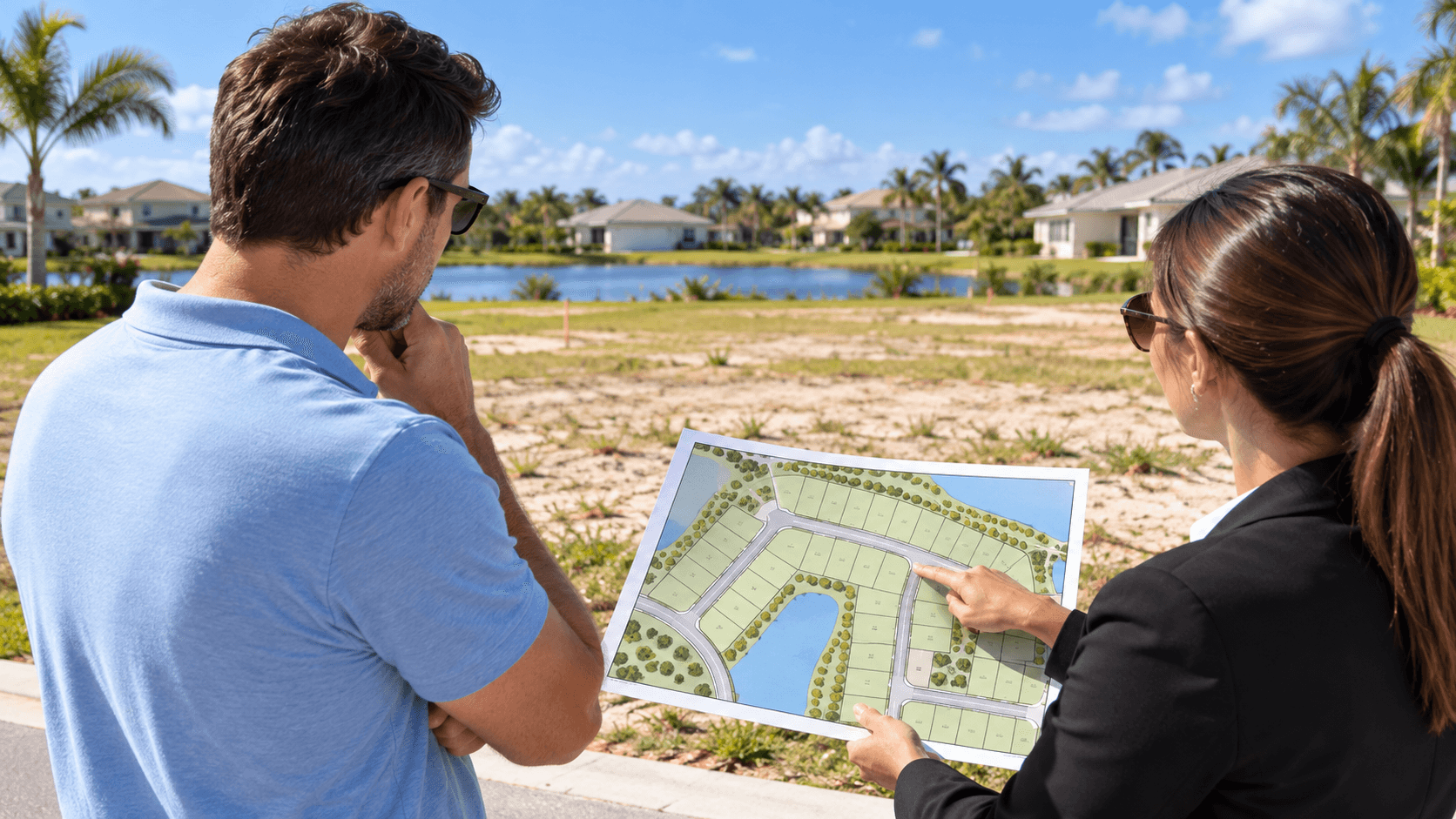
Keep a copy of the lot map with the record. Mark the lot clearly in your private buying file. You want each reply to concern the home you may own, not the larger development in general.
If you change lots later, repeat the check. A wider lot, another phase or another bond area may use a different schedule. Treat the old estimate as outdated until the district confirms it still applies.
Step 2: Confirm the district's legal name
A community's marketing name and the district's legal name may differ. Ask the builder for the district name in writing. Compare it with the contract disclosure and the body named in the tax record.
Florida's CDD law includes a disclosure requirement for initial sales within an established district. That disclosure alerts buyers to potential taxes or assessments. It does not supply a complete current dollar quote for your lot.
Find the official district website and manager contact. Check the name against the documents you already have. If two district names appear, ask why before assuming one is an old name or a duplicate.
Write a short request that includes the parcel and lot. Ask the manager to confirm whether the property is assessed by that district. Keep the written reply with the date of your request.

Step 3: Ask for a useful records packet
Request the current adopted budget. Ask for the assessment schedule and any details for your parcel. Which year does each cover? If a later budget is only proposed, mark it that way. Do not treat a draft as final.
Also ask for any current bill or statement that applies to the lot. A district budget shows the larger plan. It may not tell you the exact charge for one parcel without a schedule or manager answer.
Organize the packet into three groups: lot details, annual charges and purchase-related balances. This keeps a general district cost from being mistaken for your property's charge.
If a document is unclear, ask which page or row applies. Do not pick the closest-looking lot category. A brief written answer can be more useful than a large packet with no clear match.
Step 4: Separate debt from ongoing upkeep
Ask which amount repays infrastructure debt and which funds operations and maintenance. The second part may cover the district's ongoing work. Avoid treating the combined total as one charge with one end date.
The official Tolomato CDD assessment information illustrates why this distinction matters. It describes a total assessment with debt and operations components. Its figures concern that district, so do not use them as an estimate for another community.
For your lot, request the annual amount for each component and the source date. Ask whether the quoted total is gross or reflects a collection discount. Compare like figures when checking two records.
When someone says the CDD is “paid off,” ask exactly what that means. It may concern one debt assessment. Request confirmation of any remaining upkeep charges and other obligations before changing your budget.
Step 5: Confirm the billing route
Ask whether charges appear on the county tax bill, arrive directly from the district or use more than one route. Request the billing dates and payee. Do not assume a mortgage escrow account pays every district invoice.
Use our guide to reading CDD charges on a Florida tax bill when an assessment is collected there. It explains how to identify the line and compare it with the district record.
If the lot is new, ask whether the billing route will change after sale or parcel creation. Find out who should receive each notice during that change. Keep your mailing address current with the right offices.
Then ask the lender what its estimate includes. An amount described as “taxes” may or may not include the CDD figure you were given. A written breakdown helps avoid both missing and double-counted costs.
Step 6: Check the lot's category and assessment area
Ask the manager how this lot is classified on the schedule. The lot's size, use or assessment area may matter under the district's own method. Confirm the category rather than inferring it from the floor plan name.
A neighbor's charge can be a useful question to raise. It is not proof of your charge. The neighbor may have a different lot class, a different debt balance or a different billing year.
If the schedule uses a phase or bond-series label, note that label beside the amount. Ask whether all applicable components have been included. Do not add another phase's debt figure to your own without a clear reason.
Keep the answer in plain terms: “This lot uses this row for this year.” That is easier to recheck than a page full of unlabeled numbers. Ask for help if the records do not support that match.

Step 7: Ask about balances and payoff claims
Request the district's process for confirming current balances before closing. Ask the closing agent which district statement or estoppel it will obtain. The purpose is to learn what is owed and how the purchase will address it.
If the builder offers to pay a debt assessment, get the promise and its scope in writing. Ask which amount, which lot and which obligation it covers. Have the closing agent explain how completion of that promise will be documented.
Do not use an old annual installment as a payoff figure. The Villages district FAQ points owners to a separate process for exact bond payoff information. It is an example of why a current payoff request has a different job from reading an annual bill.
For your own purchase, ask the manager for the correct current steps. If terms or figures conflict, get clarification before relying on a saving. A verbal “no more CDD” statement leaves too much open.
Step 8: Read the budget for changes
Look at the adopted year and next proposed year. Ask whether a listed increase is final. A draft is a change to watch. It is not proof of a charge already levied.
The official Blackburn Creek CDD FAQ describes annual budget hearings for operations and maintenance. It also distinguishes debt service from upkeep. Your district's own adopted records remain the source for your amount.
Ask where future budgets, meetings and assessment notices will be posted. Save that page for later ownership reviews. The records check should give you a way to stay informed after closing too.
Avoid assuming a fixed annual total forever. Ask what part is tied to a debt schedule and what part is reviewed through the budget. You can plan better when each figure has a clear role.
Step 9: Build a comparison you can actually use
Example only: Suppose a hypothetical lot has a $1,200 annual debt assessment and an $840 annual upkeep assessment. The total is $2,040. Dividing by 12 gives a $170 monthly planning amount.
Those are invented teaching figures. They are not typical fees, a quote or a payment schedule. The real district may bill annually even though you choose to save monthly.
Add the amount to your budget only after checking whether the tax total already includes it. Keep separate dues and direct bills visible. Use the same annual or monthly basis for each home you compare. Our Florida property-tax buyer guide explains the other parts of that bill.
Also check property taxes on a newly built Florida home. The completed-house tax estimate and the CDD review solve different parts of the budget. Both should concern the same lot and buying scenario.
Step 10: Close the open questions
Before relying on the numbers, review one short list: confirmed parcel, district name, year, debt amount, upkeep amount, billing route and open balances. Mark an unanswered item as open rather than filling it with a guess.
Send the final checked figures to the lender and closing agent as needed. Ask them to confirm how those amounts appear in the payment estimate and closing papers. Keep the records with your purchase file.
If an answer changes, save the new version and label the old one. Note whether the change came from a different lot, budget year or corrected input. That makes the final decision easier to explain and review.

Common Questions
Can I use the CDD amount shown for a model home?
Only as a starting question. Confirm the parcel, lot category and assessment year for the home you may buy. The model may use another lot or schedule.
Who can confirm my property's CDD assessment?
Start with the district manager and current district records. Match them with the county bill and ask the closing agent how current balances will be checked.
Does a paid-off bond mean every CDD charge ends?
Do not assume so. Ask which debt was paid and what ongoing upkeep or other charges remain. Obtain written confirmation for the particular lot.
Is a district budget enough to quote my exact charge?
Not always. Ask which schedule or parcel row applies and whether the amount is adopted or proposed. Check the source year too.
Should I add CDD fees to the lender's tax estimate?
First ask whether that estimate already includes them. Add only items that are missing. Keep direct district bills separate when they are not paid through escrow.
What if two documents show different amounts?
Check the lot, year, debt component and discount basis. Ask the district manager to reconcile the figures before you use either total in your buying budget.
Checking a Florida community's full ownership cost? National House Search can help you organize the lot-specific CDD records and questions before you buy. Call 561-704-0091 or schedule a buyer consultation.